Why Your Small-Scale Home Projects Stumble Before They Start
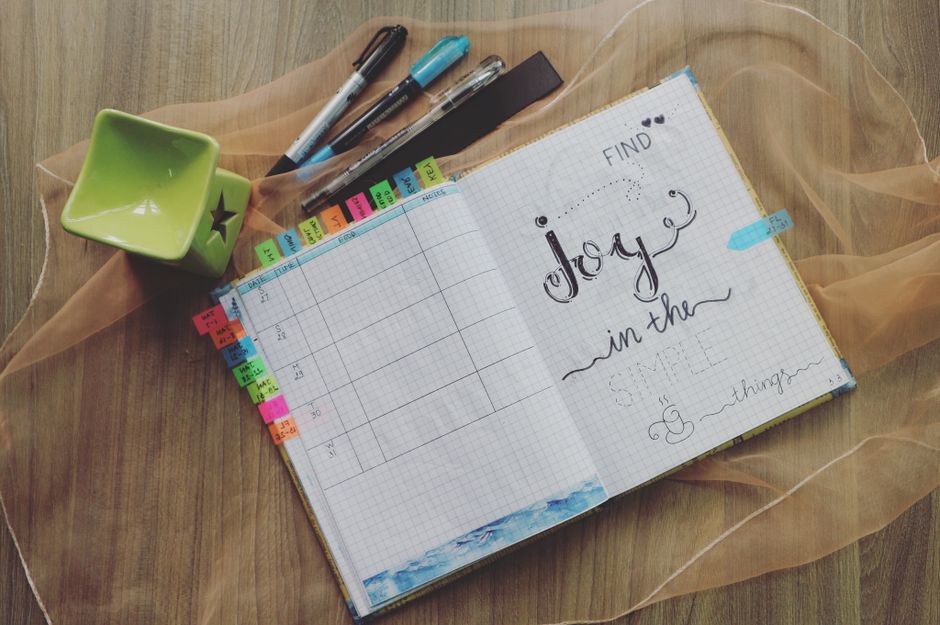
As the evening light filters into the art desk corner, a quiet moment unfolds after dinner. The sketchbook lies open, its blank pages inviting creativity, while a coffee mug sits nearby, still warm. The goal is simple: to start a short creative session, but a quick glance reveals that the pencil needs sharpening before anything can begin. Supplies are within reach, yet the small friction of an unsharpened pencil can stall the flow of ideas, turning an eager start into a frustrating pause.
This moment highlights a common pitfall in small-scale home projects—having materials close by, yet not ready for use. The act of opening the sketchbook feels like a step forward, but without addressing the pencil's dullness, the session risks losing momentum. As the mind races with potential sketches, the simple task of sharpening the pencil becomes a barrier, illustrating how easily creative habits can falter when overlooked details disrupt the rhythm of a project. Recognizing these friction points is essential for maintaining a smooth creative flow during those precious moments of inspiration.
The Routine That Should Flow
At the art desk corner, the sketchbook lies open, a blank canvas inviting creativity. The pen rests beside it, ready for action, while a steaming coffee mug sits within easy reach, a comforting presence during those quiet moments before work. This setup should facilitate a seamless transition into drawing, but a closer inspection reveals a tiny yet critical oversight: the pencil is dull and requires sharpening.
As the artist settles into the chair, the expectation is to dive straight into sketching. However, the first step should always be to check the tools. With the pencil needing attention, the ideal flow of the session is disrupted. Instead of immediately opening the sketchbook and letting ideas spill onto the page, the artist must first grab the sharpener and attend to the pencil. This minor task, while seemingly trivial, can create a significant pause, altering the momentum of inspiration.
Once the pencil is sharpened, the artist can finally move to the next phase: opening the sketchbook and letting the ideas flow freely. To maintain this creative rhythm, it’s beneficial to keep a small note nearby for the next session, jotting down any thoughts or sketches that emerge during this time. This not only prepares for future creativity but also reinforces the habit of readiness, ensuring that the next session begins without friction. The goal is to create a routine that flows effortlessly, where each tool is not just close but also fully prepared for use, allowing creativity to thrive without interruption.
Where the Process Stalls
At the art desk corner, the sketchbook lies open, inviting creativity, but a critical detail is overlooked: the pencil needs sharpening. This small task, often dismissed as inconsequential, creates an immediate barrier to starting. Instead of diving into the sketching process, the artist finds themselves reaching for the sharpener, disrupting the flow of inspiration. The supplies are visible and within arm's reach, yet they are not fully prepared for use, which is the first visible sign of drift in the creative session.
The act of sharpening the pencil becomes a necessary interruption, pulling focus away from the ideas that were just beginning to form. As the blade whirs against the wood, the artist might notice other tools scattered across the desk—markers, erasers, and a half-finished drawing. Each item, while close, adds to the clutter and potential distractions. This moment highlights a crucial friction point: the artist realizes that without a quick check to ensure all materials are ready, the session may stall before it truly begins.
To combat this, establishing a routine where tools are prepped before the creative hour can make all the difference. A simple practice, like setting aside a few minutes to gather and sharpen all necessary supplies, can eliminate these friction points. Before the next session, jot down a note in the sketchbook to remind yourself to check the pencil and other materials. This small adjustment not only prepares for future creativity but also reinforces the habit of readiness, ensuring that the next session flows smoothly without interruption.
Why This Friction Repeats
Settling into the art desk corner after dinner, the sketchbook lies open, yet the creative session stalls before it begins. The pencil, poised for action, is dull and needs sharpening. This moment highlights a frequent oversight: not checking the condition of tools before diving in.
- Assuming the pencil is ready to use can lead to frustration; a quick prep check is essential.
- Materials scattered across the desk, like markers and erasers, may seem accessible, but without a designated prep routine, they can become distractions.
- Each session starts with the expectation that everything is in order, yet neglecting to sharpen the pencil or organize the workspace creates unnecessary interruptions.
These friction points often stem from a hidden cause: the lack of a consistent preparation ritual before each creative session. The ordinary constraint of time can make it tempting to skip this step, but the tradeoff is clear—without readiness, the creative flow is disrupted. Before the next session, take a moment to jot down a note in the sketchbook: "Check supplies first." This simple act can help establish a habit of readiness and ensure that the next creative moment unfolds smoothly.
A Simple Correction to Keep Going
Before diving into a sketchbook session, the setup at your art desk corner can make or break the creative flow. If the pencil sits dull in the mug, waiting for a sharpen, it’s a small but significant barrier. This moment, right after dinner, when the house is quiet, is perfect for drawing, yet the unpreparedness can lead to frustration. A quick prep checklist can transform this scenario: sharpen pencils, organize supplies, and set up the workspace. Each item checked off not only primes the materials but also mentally gears you up for the creative task ahead.
Incorporating a few minutes of preparation into your routine is essential. When you sit down at the desk, take a moment to gather your tools. Move the sketchbook to the center, align the pens, and ensure the erasers are within reach. This simple act of organizing not only clears the physical space but also the mental clutter. As you sharpen the pencil, you might notice the anticipation building. It’s a small correction, but it sets the tone for a productive session. Next time, consider jotting down a reminder in your sketchbook: "Prep first, create second." This small note can serve as a prompt to establish a habit of readiness, ensuring that your next creative moment flows smoothly without unnecessary interruptions.
One Note to Prevent Drift
A slightly different version of this problem appears in Creative Hobbies For Adults, where the sequence changes but the hidden drag feels familiar.
As you settle into your art desk corner, the familiar sight of your sketchbook and pens can spark excitement, but without proper preparation, that enthusiasm can quickly fade. Picture this: you grab your sketchbook, ready to dive into a drawing session after a long day at work, only to realize your pencil is dull. This small oversight can derail your creative momentum before it even begins.
To prevent this drift, take a moment to leave a note in your sketchbook before wrapping up your session. Write something simple like, "Next time, sharpen the pencil and check the erasers." This note serves as a direct prompt for your next creative session, reminding you of the small adjustments needed to ensure readiness. It’s best to place the note on the first page, so it’s the first thing you see when you open the sketchbook.
Incorporating this tiny checkpoint into your routine can significantly streamline your setup process. When you sit down for your next session, the note will guide you through the initial steps, allowing you to focus on creating rather than scrambling for supplies. This quick action not only saves time but also keeps your creative energy flowing, ensuring that your art practice remains enjoyable and productive.
What Changes After the Correction
If this pattern keeps repeating, Starting New Hobbies Slowly extends the idea without leaving the niche.
With the pencil sharpened and the sketchbook opened to a fresh page, the atmosphere at the art desk corner shifts noticeably. Instead of fumbling through supplies, the artist can dive straight into drawing, feeling the smooth glide of the pencil across the paper. This immediate access to ready materials transforms the session from a potential struggle into a fluid creative flow.
In the next time block, the artist finds that the session feels significantly more productive. Instead of wasting precious minutes on setup, they can focus on journaling thoughts alongside sketches, capturing both inspiration and ideas in one go. The organized space, with the coffee mug at hand and a clean workspace, invites creativity rather than clutter. This simple adjustment not only enhances the enjoyment of the creative habit but also leads to a more fulfilling experience overall.
By incorporating a quick check before wrapping up, such as ensuring the pencil is sharpened and the sketchbook is open, the artist sets up a smoother transition into their next creative session. The difference is tangible; instead of a chaotic start, they can immediately engage with their art practice, making each moment at the desk feel rewarding and satisfying.
As the evening settles in, the artist sits at the art desk corner, ready to dive into a sketchbook session. However, the pencil remains dull, and the sketchbook is still closed, creating an invisible barrier to creativity. This friction point, though small, can derail the entire session, turning what should be a moment of inspiration into a frustrating delay. Instead of simply picking up the pencil and starting, the artist finds themselves caught in the mundane task of sharpening, which disrupts the flow and diminishes motivation.
To combat this, a quick check at the end of each session can set the stage for success. Ensuring the sketchbook is open to a fresh page and the pencil is sharpened before leaving the desk can make all the difference. Next time, when the artist returns, they can immediately engage with their creative practice, transforming a potential stumbling block into a seamless start. Taking just a moment to prepare not only enhances the experience but also reinforces the habit, making it easier to maintain that small-scale project momentum.


Comments
Post a Comment