When Home Projects Become Harder Than They Look: A Practical Comparison

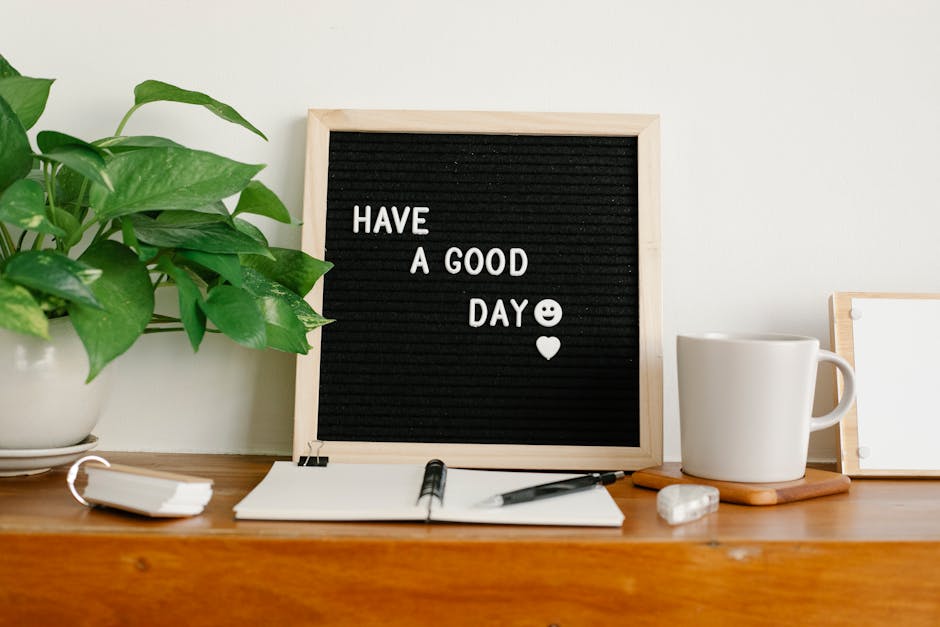
At the home desk, the familiar sight of a supply tray filled with colored pens, a sketchbook, and a half-finished craft project invites creativity during a quiet block before work. The coffee mug sits nearby, still warm from the last sip, as the goal is to start a short creative session. Yet, despite the promising setup, the moment often slips away when the next page in the sketchbook remains untouched, and the urge to create fades as quickly as it arrived. A few missed days of art practice can turn this inviting space into a daunting reminder of what was left unfinished.
One of the most common friction points occurs when the session ends without a clear restart cue. Instead of leaving one tool out, like a favorite pen, to signal that it’s time to return, the desk becomes cluttered with remnants of past projects. This lack of a ready-to-start setup can lead to hesitation and procrastination, making it harder to dive back into the flow of creativity. Noticing these small adjustments can transform the experience, allowing for a smoother transition into the next creative endeavor.
The First Step That Gets Skipped
Evenings at the art desk can feel promising, especially when the sketchbook lies open and the pen rests nearby, yet the moment often slips away. The cluttered surface, littered with remnants of past craft projects, creates a barrier that makes starting a new session feel overwhelming. Instead of diving into creativity, the mind wanders, caught in the chaos of unfinished tasks, and the potential for inspiration fades.
What often seems reasonable at first—a quick glance at the materials—turns into hesitation. The next page in the sketchbook remains untouched, and the coffee mug sits cold, a reminder of the creative energy that could have flowed. Leaving one tool out, like that favorite pen, could signal a ready-to-start setup, but instead, the desk becomes a visual distraction. This simple adjustment, if made consistently, could transform the space into an inviting launchpad for creativity, allowing for a smoother transition into the next craft project.
When the Default Method Starts to Fail
Returning to a creative session after a few missed days often reveals a hidden friction point: the lack of a clear restart cue. The art desk, cluttered with half-finished projects and scattered supplies, becomes a barrier rather than an invitation. As the evening light dims, signaling a quiet block before dinner, the urge to create battles with the visual chaos. The sketchbook remains open, yet the next page is not chosen. Instead of diving into a new drawing, the mind hesitates, overwhelmed by the clutter and the pressure of unfinished tasks.
In these moments, the missed opportunity to engage with creativity becomes glaringly apparent. The coffee mug, once warm, now sits cold, a reminder of potential inspiration that could have flowed freely. Leaving one tool out—like that favorite pen—could signal readiness, but when the desk is littered with distractions, even that small adjustment feels monumental. The weak point under pressure is the setup itself; without a ready-to-start environment, the transition from thought to action falters.
To ease this friction, consider a simple strategy: designate a specific space for your most-used materials, like a supply tray. When it’s time to create, having the pen visible and the sketchbook easily accessible can streamline the process. This way, the next session doesn’t end without a clear restart cue, and the path to creativity remains open, even on the busiest days.
A Better Order for the Same Five Minutes
If this pattern keeps repeating, Creative Hobbies For Adults extends the idea without leaving the niche.
Returning to your creative desk after a few missed days can feel daunting, especially when the clutter of unfinished projects looms large. Instead of diving into a chaotic setup, consider a simple shift: leave one essential tool out, like your favorite pen or a sketchbook, to signal readiness. This small act can transform your approach; rather than sifting through drawers or stacks of paper, you can immediately engage with your materials.
Creating a 'ready-to-start' tray can further streamline your routine. Place your most-used items—like a notebook, a few colored pencils, and that accessible pen—within arm's reach. When you sit down with a warm mug of coffee in a quiet moment before work, the sight of these tools can ignite your creativity. By having everything prepped and visible, you eliminate the friction of searching for supplies, allowing your mind to shift from planning to creating almost effortlessly.
In contrast, the default method often leads to a session that ends without a clear restart cue. If your desk is littered with materials and you find yourself distracted by the next page not chosen, the motivation to begin can fade quickly. By simply rearranging your setup to prioritize what you need most, you create a more inviting atmosphere for creativity to flourish, making the transition from thought to action smoother and more enjoyable.
The Tradeoff of Immediate Readiness
This same friction shows up again in Starting New Hobbies Slowly, especially when the day tightens unexpectedly.
Setting up your art desk for a quick creative session often involves a delicate balance between convenience and clutter. When you leave out a sketchbook, a few favorite pens, and a small tray of colored pencils, you create an inviting space that encourages spontaneous drawing or journaling. However, this immediate readiness can lead to an accumulation of materials that may start to feel overwhelming. The very act of preparing for creativity can unintentionally clutter your workspace, making it harder to focus.
Imagine it’s a quiet evening after dinner, and you sit down at your desk. You want to dive into a craft project, but instead of a clean slate, your desk is a chaotic mix of half-finished sketches, stray materials, and an overflowing coffee mug. The next page in your sketchbook remains untouched, and the lack of a clear starting point can stall your momentum. In contrast, if you take a moment to tidy up before your session—removing unnecessary items and leaving only the essentials—you can transform that clutter into a streamlined setup. This small adjustment allows you to shift your mindset from planning to creating in a matter of seconds.
While the clutter may seem manageable at first, the tradeoff becomes apparent when you realize that a ready-to-start setup can actually enhance your creative flow. It’s about finding the right balance; sacrificing a bit of neatness for the ease of access can lead to more spontaneous sessions. In some cases, the clutter is worth it if it means you can dive into your creative habits without hesitation. However, if you find that the mess is becoming a barrier rather than a bridge, consider a quick check before each session to ensure your workspace remains a source of inspiration rather than distraction.
What to Check Before the Phone Takes Over
As you sit at your home desk, the evening light casts a warm glow on your supply tray filled with colored pens, sketchbooks, and a half-finished craft project. Before diving into your creative session, take a moment to check that everything you need is within arm's reach. This simple action can prevent unnecessary interruptions later on. Make sure your favorite sketchbook is open to the next blank page, ready for your ideas to flow.
Distractions can sneak in quickly, especially if your phone is nearby, buzzing with notifications. To maintain focus, clear your workspace of anything that might pull your attention away. Place your phone in another room or turn it on Do Not Disturb mode. This small adjustment can create a mental cue that signals it’s time to create, rather than scroll. When you sit down with your coffee mug and a pen in hand, you’ll find it easier to transition into your project.
Before you start, check your supply tray one last time. Ensure you have all the materials you need: a pencil for sketching, erasers for adjustments, and perhaps some colored markers for adding flair. This quick check can save you from the frustration of getting halfway through your drawing only to realize you’re missing a crucial tool. By establishing a ready-to-start setup, you can reduce the friction that often derails your creative flow.
When the Alternative Fits Best
Evenings can be the perfect time to dive back into a creative project, especially after a few days away. The quiet of a home desk, with a sketchbook open and a coffee mug steaming nearby, sets a relaxing scene. However, if you find yourself staring at that blank page, the transition can feel daunting. The key is to minimize the setup drag that often halts your momentum.
Consider leaving your favorite drawing tool out in plain sight, like a well-loved pencil or a set of colored markers. This small action serves as a visual cue that your creative session is just a moment away. When you sit down, take a quick glance at your supply tray. Is your eraser ready? Are your markers within reach? This brief check can save you from the frustration of realizing mid-sketch that you’re missing a crucial tool.
After a few missed days, the challenge is not just about finding time but also about reigniting that creative spark. If you’ve left your tools out and your workspace organized, you can easily slip back into the flow. Instead of scrolling through your phone or debating what to draw next, you can simply pick up your pen and start. The next page in your sketchbook awaits, ready for your ideas to take shape. This streamlined setup not only enhances your creative bursts but also makes it easier to dive back in, even on the busiest evenings.
As you sit at your home desk, surrounded by your supplies, consider how a simple adjustment can ease your return to creativity after a few missed days. Leaving your sketchbook open to the next blank page serves as an invitation to start drawing without hesitation. When you glance at your supply tray, ensure your favorite pen is ready and your notebook is positioned for easy access. This small setup can help eliminate the friction that often halts creative momentum.
Next time you find a quiet block of time, whether before work or after dinner, take a moment to check that everything is in place. By doing this, you create a ready-to-start environment that encourages spontaneous creative sessions. With your tools organized and your next project waiting, you can dive back into your art practice without the mental load of setup dragging you down. The question remains: where do these small-scale home projects become harder than they look? Often, it’s in the setup—so make that setup work for you.


Comments
Post a Comment