A More Useful Way to Approach Art Desk
At the home desk, the sketchbook sits open beside a well-loved pen, a coffee mug steaming quietly in the corner. It’s a peaceful moment, just before work, where the intention to draw feels palpable. Yet, as the adult beginner reaches for the supplies, a familiar hesitation creeps in. The art tray is cluttered with materials from the last session, and the next step in the creative process remains unmarked. It’s easy to overlook the simple act of organizing these tools, but that small friction can derail the entire session.
When supplies stay zipped in a bag instead of being laid out, the transition from thought to action becomes unnecessarily complicated. The notebook may be filled with ideas, but without a visible cue—like a pencil ready to sketch—the motivation can quickly wane. As the beginner sits in this moment of indecision, the opportunity for a productive creative session slips away, highlighting how crucial it is to establish a routine that keeps the art desk inviting and ready for use.
The Quiet Start: A Scene at the Art Desk
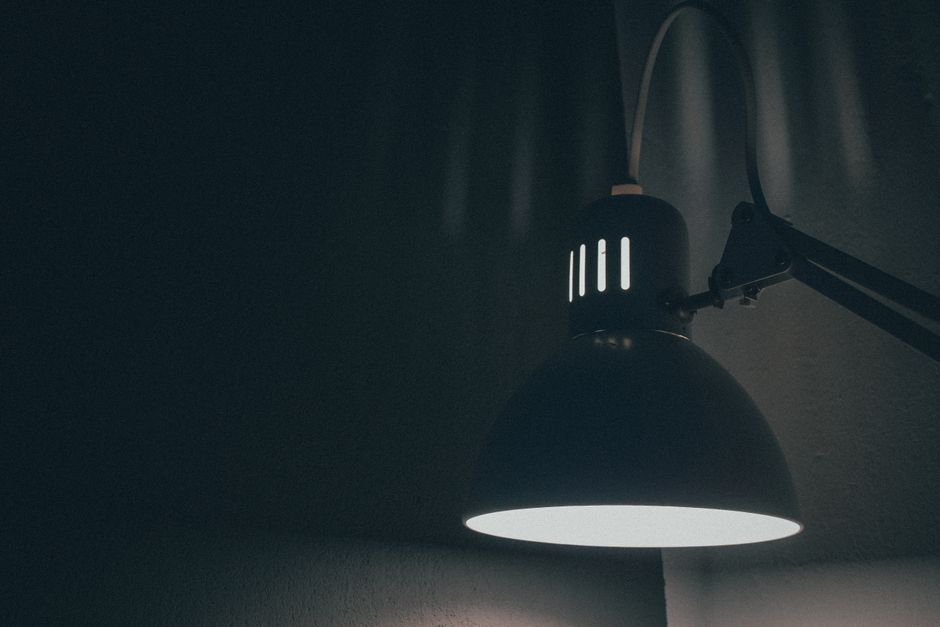
The art desk is a cozy nook, illuminated by a soft lamp that casts a warm glow over scattered supplies. A sketchbook lies open, its pages waiting to be filled, while a pen rests beside a steaming coffee mug. This moment, just after dinner, feels perfect for a creative session, yet there’s a subtle tension in the air. The beginner reaches for the supplies but hesitates, noticing that the last project’s remnants clutter the tray. The next step in the creative process remains unmarked, creating a barrier to starting anew.
To ease into the drawing, the beginner decides to photograph the current state of the art desk. This small action serves as a visible cue, reminding them of the unfinished project while also documenting progress. As they clear the tray, moving aside the leftover materials, the act of preparation transforms the space. The sketchbook is now the focal point, and the pen is ready to glide across the page. Without this simple organization, the motivation to create can quickly fade, leaving the potential for inspiration unrealized. The quiet moment before work should feel inviting, not intimidating, and keeping supplies ready between sessions is essential for a smooth transition into creativity.
When Routine Slips: The First Signs of Drift
Settling into the art desk, the beginner reaches for the sketchbook, but a buzz from the phone disrupts the moment. Notifications flood the screen, pulling focus away from the creative space. This distraction, so easily overlooked, becomes a subtle but significant barrier. The intention to draw fades as the mind drifts to the latest updates, leaving the art supplies untouched.
As the artist tries to regain focus, they notice that the next step in their drawing project isn’t clearly marked. The last session ended with a half-finished sketch, but without a note or indication of what to do next, confusion sets in. The supply tray remains cluttered with remnants from previous projects, making it harder to see what’s needed. This lack of organization not only complicates the immediate task but also saps motivation. The artist hesitates, unsure of how to proceed.
To break this cycle, a quick adjustment can be made: before the next creative session, take a moment to photograph the current state of the art desk. This simple act serves as a visual cue for what’s left to complete, while also documenting progress. Clearing the tray of leftover materials and placing the sketchbook front and center creates a clean slate, ready for inspiration. Without this small organization step, the creative flow risks being interrupted, leading to a drift that can be hard to recover from.
The Hidden Friction: Why Intentions Fail
Creative intentions often dissolve into mere aspirations when the art desk remains cluttered and disorganized. For instance, if supplies are left zipped in a bag, the act of starting a new project becomes a mental hurdle rather than a joyful endeavor. The artist sits down with their sketchbook, coffee mug steaming beside them, but the first step feels daunting. The bag sits on the floor, a barrier to accessing the necessary tools. This setup creates a disconnect between the desire to create and the physical act of doing so.
Without a clear structure, the practice transforms into a mood rather than a consistent routine. Each session feels like a gamble; will today be the day inspiration strikes? Often, the answer is no, especially when the last unfinished sketch is tucked away, unmarked and forgotten. A simple yet effective adjustment is to lay out supplies visibly on the tray before concluding the previous session. This small act not only signals what’s next but also invites the artist to engage with their materials in a more intimate way.
When the next creative moment arrives, the artist can easily see what’s available and what needs attention. If the supplies are neatly arranged and the sketchbook is open to a fresh page, the transition into creativity feels seamless. However, neglecting this step means returning to a chaotic space, where good intentions are overshadowed by confusion. The hidden friction lies in this lack of preparation, turning enthusiasm into frustration and stalling the creative flow.
A Simple Adjustment: Marking the Next Step
Before wrapping up a creative session, take a moment to photograph the current state of your art desk. This visual cue serves as a reminder of where you left off, capturing the arrangement of your sketchbook, pens, and any unfinished sketches. When you return, this photo can spark your memory and help you dive back into your project without hesitation. It’s a small but effective way to bridge the gap between sessions, reducing the friction of forgetting what you intended to do next.
Alongside the photograph, leave a simple note on your desk indicating the next step in your project. For example, if you were sketching a landscape, jot down something like "Add details to the foreground" and place it right next to your supplies. This not only clarifies your immediate goal but also minimizes the chance of losing focus when you sit down again. With the note in view, you can quickly assess your intentions and jump straight into the creative flow.
To further streamline your setup, consider placing your supplies in a dedicated tray on your desk instead of keeping them zipped in a bag. This small adjustment allows for easy access and visibility, ensuring that everything you need is right at your fingertips. When you finish your session, simply arrange the tray neatly, so it’s ready for your next creative moment. This way, the transition into your next drawing or journaling session becomes much smoother, fostering a more consistent art practice.
Quick Checkpoint: Supplies Ready for Action
A slightly different version of this problem appears in Creative Hobbies For Adults, where the sequence changes but the hidden drag feels familiar.
Before diving into a creative session, take a moment to assess your supplies. A cluttered art desk can quickly derail your focus. Start by ensuring that all your materials—like colored pencils, sketchbooks, and pens—are neatly arranged in a visible tray. This visibility not only saves time but also serves as a gentle reminder of what you have at your disposal.
Next, make sure to note your immediate project step clearly on a sticky note and place it right next to your supplies. For instance, if you plan to sketch a figure, jot down "Add shading to the left arm" and stick it where you can see it. This small act of marking your next move can prevent the frustrating drift of forgetting what you intended to do when you sit down again.
As you prepare for your session, check the time. If it's a quiet block before work or after dinner, you might have just enough time to start. Grab your coffee mug, take a sip, and settle into your space. With your supplies organized and your next step clearly noted, you’re set to jump right into your drawing or journaling without any setup friction.
Carrying Forward: The Impact of Small Adjustments
If this pattern keeps repeating, Starting New Hobbies Slowly extends the idea without leaving the niche.
Returning to your art desk after a break can feel daunting, especially if the last session ended without a clear direction. A simple photograph of your workspace, taken just before you left, can serve as a visual reminder of where to pick up. This snapshot captures the arrangement of your supplies—perhaps your favorite sketchbook lies open next to a half-finished drawing, and your pen is resting on a sticky note that reads "Add details to the background."
When you sit down again, this image helps you bypass the initial confusion that often disrupts creativity. Instead of fumbling through a zipped bag of supplies or rummaging through drawers, you can immediately focus on the next task. The sticky note, now a familiar sight, reinforces your intention and streamlines your start. You might even find that the act of journaling your thoughts while sipping coffee becomes easier, as the groundwork has already been laid.
By integrating these small adjustments—like photographing your setup and marking your next step—you create a seamless transition between sessions. This not only reduces friction but also fosters a more productive routine. Each time you return to the desk, the clarity gained from these practices allows you to dive back into your creative hobbies with less hesitation and more enthusiasm.
As you prepare for your next creative session, take a moment to ensure that your supplies are not just stored away but arranged in a way that invites immediate use. A simple check of your supply tray can reveal if everything is in its place or if something has gone missing. For instance, if your favorite sketchbook is tucked away in a drawer, consider moving it to the top of your desk, right next to your coffee mug. This small adjustment can make a significant difference in how quickly you dive into your drawing.
Before you sit down, photograph your current setup. This visual cue serves as a reminder of where you left off and what the next step should be, preventing the common pitfall of forgetting your last action. With your supplies visible and your next move clearly marked, you can transform that quiet block of time into a productive moment, free from the friction that often disrupts creativity at the art desk.



Comments
Post a Comment