Why Good Intentions Around Home Projects Often Fail at the Art Desk
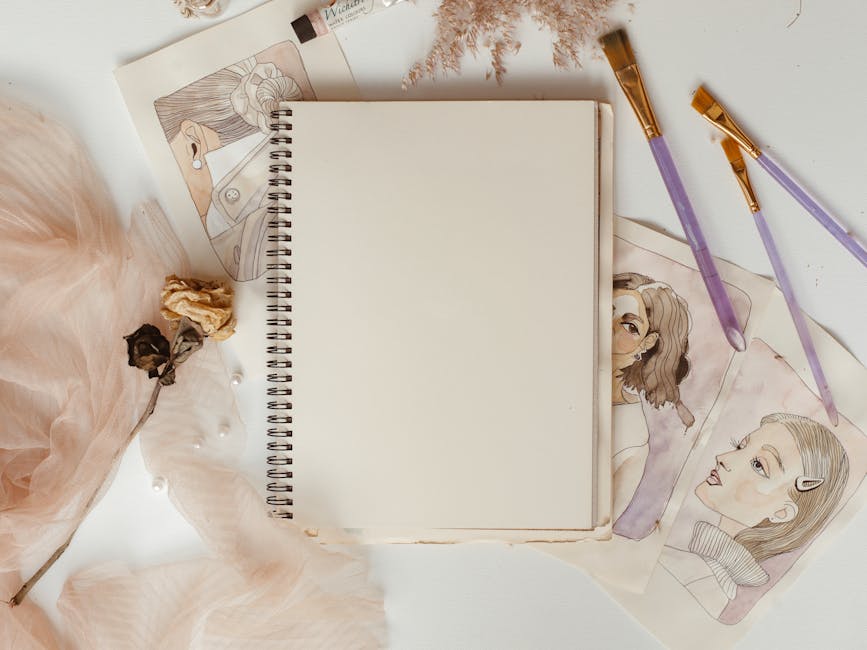
At the corner of a cluttered home desk, a sketchbook lies open, its pages slightly crinkled from previous creative sessions. The soft light of the late afternoon filters through the window, casting a warm glow on a nearby coffee mug and a scattered array of pens. As you prepare to dive into a short creative session, the familiar excitement bubbles up. Yet, a nagging thought lingers: the next step in your art practice feels elusive, like a page yet to be turned. You take a sip of coffee, glancing at the blank edge of the sketchbook, where the next drawing awaits but has not been marked.
This moment often becomes a friction point. Without a clear indication of what to create next, the energy dissipates, and the creative flow stalls. You might find yourself hesitating, unsure if you should sketch a new idea or revisit an old one. The simple act of not choosing the next page can lead to a creative block, stalling the momentum built from previous projects. To avoid this, a quick check of your supplies—perhaps a favorite pen or a fresh page—can help reignite that spark and guide you back into your artistic rhythm.
The Expected Routine at the Art Desk
As you settle into your art desk after a long day, the familiar sight of your neatly organized supplies—sketchbooks, a jar of pens, and a couple of brushes—welcomes you. The soft light from the lamp casts a warm glow over the workspace, making it inviting for a short creative session. However, the absence of a clear next step can quickly turn this moment into a source of frustration. You glance at the edge of your sketchbook, where the last drawing ended, and realize the next page is not chosen.
To kickstart your creativity, first, take a moment to assess your supplies. Check if your favorite pen is ready to go and ensure your sketchbook is open to a fresh page. This small action can eliminate the friction that often halts your flow. Instead of diving into an idea, you might find yourself stuck, contemplating what to do next. By simply marking the next page with a quick sketch or a note about what you want to explore, you create a visual cue that guides your thoughts. This decision not only sets the stage for your session but also helps you avoid the common pitfall of indecision.
Now, with your supplies in order and a clear starting point, you can engage in your creative practice without unnecessary delays. You might find that the act of drawing or journaling flows more naturally when the next step is already mapped out. This small adjustment—choosing a page and preparing your tools—can transform your art desk from a place of hesitation into a launchpad for creativity. The next time you sit down, remember that the simplest actions often hold the key to maintaining your artistic momentum.
Where the Routine Breaks Down
As you settle into your art desk, the familiar aroma of coffee fills the air, but a nagging indecision creeps in. You glance at your sketchbook, its pages blank and waiting, yet you find yourself staring at the clutter on your desk instead of diving into a new project. Notifications from your phone buzz in the background, drawing your attention away from the creative space you've carved out. This moment of hesitation is the first visible sign of drift in your routine.
Without a clear next step, you might reach for your favorite pen, only to realize that the sketchbook's next page hasn’t been chosen. This small oversight can lead to a significant delay in your creative flow. Instead of quickly flipping to a fresh sheet, you hesitate, wondering what to draw or journal about. To counter this, take a moment to photograph the current state of your desk—snap a quick picture of your supplies and the open sketchbook. This not only captures the moment but serves as a visual cue for your next session.
To combat the clutter, consider clearing a small area on your desk, making room for a single inspiring object, like a colorful paintbrush or a small plant. This visible supply cue can anchor your focus and remind you of the projects you want to pursue. When you sit down again, the combination of a designated starting point and a clear workspace can help you transition back into your art practice smoothly. Recognizing these friction points early can prevent them from becoming a barrier to your creativity. Why This Failure Repeats After a long day, the last thing you want is to sit at your art desk and feel stuck. You glance at your sketchbook, its pages blank and waiting, but instead of diving in, you let your mood dictate whether you’ll create or not. This hesitation often stems from a lack of visible cues that signal what to do next. Without a clear marker for your next step, you might find yourself flipping through pages, unsure of where to begin.
- Keep a single, inspiring object—like a vibrant paintbrush—on your desk to spark creativity.
- Photograph your current setup at the end of each session to remind yourself of where to pick up next time.
- Designate the next page in your sketchbook before finishing your current drawing to eliminate indecision.
When you sit down for a creative session, make it a habit to check your desk for that visible supply cue. If the next page isn’t chosen, you may waste precious minutes deciding instead of creating. This simple adjustment can transform your desk from a cluttered space into a well-marked path for your art practice, helping to prevent the frustration that leads to repeated failures in maintaining your creative habit.
A Simple Correction to Change the Weak Point
This same friction shows up again in Creative Hobbies For Adults, especially when the day tightens unexpectedly.
Ending a creative session can often feel like a hard stop, especially if you haven’t marked your next step. When you close your sketchbook after a drawing, take a moment to flip to the next page and designate it as your starting point for the next session. This small act can save you time and mental energy when you return to your art desk, preventing the frustration of indecision.
Additionally, keep a visible supply cue, like your favorite pen or a vibrant paintbrush, prominently placed on your desk. This not only serves as a reminder of your creative tools but also sparks inspiration as you prepare for your next session. When you sit down with your coffee mug in hand during that quiet block before work or after dinner, check that your next page is ready and your favorite tool is within reach. This way, you can dive right into your art practice without the usual setup friction, turning a potential stumbling block into a seamless transition into creativity.
A Quick Check That Prevents More Drift
A slightly different version of this problem appears in Starting New Hobbies Slowly, where the sequence changes but the hidden drag feels familiar.
Before you close your sketchbook after a creative session, take a moment to flip it open to the next blank page. This simple act not only marks your starting point for the next session but also eliminates the indecision that often creeps in when you return to your art desk. Without this step, you might find yourself staring at a blank page, unsure of where to begin, which can lead to frustration and a loss of momentum.
Alongside this, consider placing a visible supply cue on your desk, such as your favorite pen or a bright paintbrush. Position it right next to your sketchbook, so it catches your eye as you finish up. This not only serves as a reminder of the tools you love to use but also builds anticipation for your next creative session. When you sit down during that quiet block before work or after dinner, you’ll already have a clear direction and inspiration at hand. By ensuring your next page is ready and your favorite tool is visible, you can smoothly transition into your art practice without the usual setup friction, making it easier to dive back into creativity.
What Changes Once That Fix Repeats
Once you’ve established the habit of marking your next step at the end of each creative session, the transition into your next journaling moment becomes noticeably smoother. Instead of flipping through your sketchbook, searching for the next blank page, you can dive right into your work. The decision of where to start has already been made, eliminating the initial friction that often derails your creative flow.
During your next quiet block before work, when you sit down at your art desk, notice how the visible supply cue—a bright paintbrush or your favorite pen—draws your attention. This small, intentional placement not only reminds you of your tools but also signals your brain that it’s time to create. You’ll find yourself reaching for that pen without hesitation, ready to fill the chosen page with ideas or sketches.
As you begin to draw or journal, the act of simply opening your sketchbook to the marked page allows for a seamless entry into your practice. The previous decision to prepare your materials and mark your next step transforms what could have been a moment of indecision into a focused, productive session. This small adjustment means you spend less time setting up and more time creating, making each art practice feel more rewarding and less like a chore.
As you wrap up your creative session, take a moment to photograph the current state of your art desk. This simple act not only captures your progress but also serves as a visual cue for your next session. When you return, that image will remind you of where you left off and what materials need to be ready. Make sure to choose the next page in your sketchbook before you step away; this small decision can prevent the frustrating pause of indecision when you sit down again.
By marking your progress and preparing for the next step, you create a smoother transition back into your art practice. Keep that bright paintbrush or favorite pen visible, and let it signal your readiness to dive back in. These small corrections can turn potential creative blocks into seamless, engaging sessions, keeping your small-scale projects alive and flowing.


Comments
Post a Comment