Why Creative Habits Often Works Better With a Smaller Setup

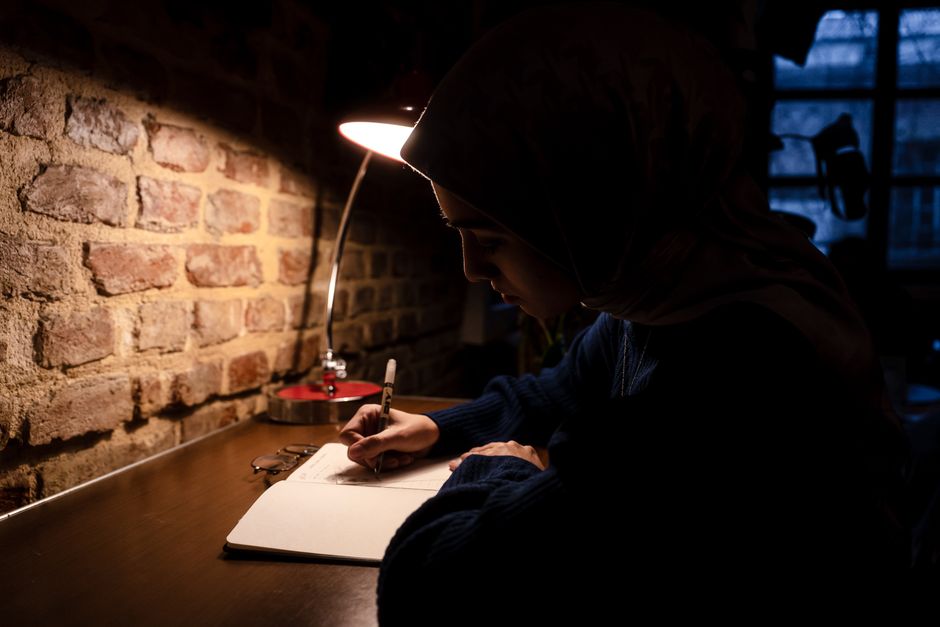
As the evening light filters through the window, the art desk in the corner of the room beckons. A sketchbook lies open, its pages blank and waiting, while a pen rests nearby, ready to transform thoughts into lines. After a few missed days of creative practice, the urge to resume feels both exciting and daunting. The supplies, neatly zipped in a bag, remind me of the last time I sat down to draw, yet they also create a barrier. It’s easy to think that opening the sketchbook is just the first step, but the setup feels bigger than the actual practice, making it harder to dive back in.
In this quiet moment before dinner, I glance at the coffee mug on the desk, half-full and forgotten. I realize that the simple act of pulling out the supplies and setting them up can easily become overwhelming. The thought of rummaging through the bag to find the right pencil or the perfect color can stall the entire creative session. Instead of getting lost in the process, I need to create a ready-to-start setup, where everything is within reach. This small adjustment could mean the difference between a productive evening of drawing and another night of procrastination, leaving the sketchbook untouched once again.
The Setup That Feels Overwhelming
In the corner of my art desk, the supplies remain zipped in a bag, a reminder of the creative sessions I’ve let slip by. The sketchbook lies open but untouched, its blank pages beckoning me. As I sit down with a mug of lukewarm coffee, I feel the weight of those missed days pressing down. The quiet block of time before dinner should be perfect for a quick journaling session, but instead, it feels like a hurdle. I glance at the bag, and the thought of digging through it for my favorite pen suddenly feels daunting.
Opening the sketchbook should be the first step, yet the clutter around me amplifies the friction. I know I need to create a ready-to-start setup, where my tools are laid out neatly instead of hidden away. Instead of reaching for the bag, I decide to pull out the sketchbook and place it directly in front of me, alongside the pen and a few colored pencils. This small adjustment transforms my desk into a welcoming space for creativity. Now, with everything visible and accessible, I can finally begin to draw without the mental block of setup weighing me down. However, the lingering thought remains: how easily could I slip back into the habit of procrastination if I don’t keep this space organized? When the First Step Gets Lost Evenings at my art desk corner often start with a sense of promise, but today, the thought of opening my sketchbook feels more like a chore. The bag containing my supplies sits zipped and tucked away, and I glance at it, feeling the weight of the setup loom larger than the act of drawing itself. This moment of hesitation is familiar; the clutter around me amplifies the friction, making it harder to dive into my creative session.
- Supplies are hidden away, creating a mental barrier.
- Overwhelm from the setup leads to procrastination.
- Missing the chance to journal or draw feels like a lost opportunity.
As I sit with my coffee mug in hand, I realize that I need to simplify my approach. Instead of reaching for the bag, I decide to pull out the sketchbook and place it directly in front of me, along with my favorite pen and a few colored pencils. This small shift transforms my desk into a welcoming space, but I can't shake the feeling that if I don’t keep this area organized, I might slip back into the habit of putting off my creative practice. The quiet block of time before work is fleeting, and I need to seize it before the moment passes.
Why Starting Feels Like Climbing a Hill
This same friction shows up again in Creative Hobbies For Adults, especially when the day tightens unexpectedly.
As I glance at my art desk corner, the sight of my sketchbook tucked away in its bag feels like a weight on my shoulders. Each missed day adds to the psychological barrier that makes starting a creative session feel daunting. The intention to draw or journal is there, yet the thought of unzipping the bag and pulling out my supplies seems like an uphill battle. I know I want to create, but the accumulated weight of procrastination looms large.
The visible clutter on my desk only amplifies this friction. A coffee mug sits next to a half-finished craft project, while scattered colored pencils and an open notebook create a chaotic scene. This disarray leads to decision fatigue; I find myself hesitating, unsure of where to begin. Should I clear the space first? Or do I dive straight into drawing? Each option feels overwhelming, and in that moment of uncertainty, I risk losing the fleeting quiet block of time before work.
To break this cycle, I decide to simplify my setup. Instead of rummaging through my bag for the sketchbook, I pull it out and place it front and center on the desk, alongside my favorite pen. This small adjustment transforms my workspace into an inviting area, reducing the friction of getting started. However, I realize that if I don’t maintain this organized setup, the clutter will creep back in, and I might find myself facing the same hesitation tomorrow. The hidden step of keeping my space tidy is just as crucial as the act of drawing itself, and without it, my good intentions may not be enough to keep my creative habit alive. A Simple Adjustment to Ease In At my art desk corner, the familiar sight of my sketchbook and favorite pen sitting out in the open feels like a welcome invitation. Instead of keeping my supplies zipped in a bag, I’ve made it a habit to leave them visible. This simple choice eliminates the initial barrier of having to dig through my bag, which often leads to losing motivation. When I sit down with my coffee mug in hand, I can immediately reach for my tools and dive into a short creative session.
To further reduce the friction of starting, I set a timer for five minutes. This pressure-free approach encourages me to engage with my sketchbook without the weight of expectations. I tell myself that I only need to fill a few lines or doodle something simple. As the timer counts down, I find myself loosening up, allowing creativity to flow without the daunting thought of a full hour ahead. The act of simply opening the sketchbook transforms my mindset, as I realize that starting small can lead to more significant progress over time.
Maintaining this ready-to-start setup is crucial. I’ve learned that if I don’t keep my art supplies out and organized, I risk falling back into the cycle of hesitation. The visible presence of my materials acts as a gentle nudge, reminding me that creativity is just a few steps away. This small adjustment not only streamlines my routine but also reinforces my commitment to nurturing my creative habit, making it easier to return to my art practice, even after a few missed days.
What Gets Easier in the Next Time Block
A slightly different version of this problem appears in Starting New Hobbies Slowly, where the sequence changes but the hidden drag feels familiar.
Returning to my art desk corner after a few missed days feels daunting, but the setup can make all the difference. I place my sketchbook on the desk, right next to a fresh coffee mug, and take a moment to appreciate the organized chaos of my supplies. The colorful pens, neatly zipped in a bag, are now within arm's reach, eliminating the need for a lengthy search. This small adjustment means that when I sit down, I can dive straight into journaling or drawing without the usual setup friction.
In the quiet moments before work, I find that simply opening the sketchbook can trigger a shift in my mindset. Instead of feeling overwhelmed by the prospect of a lengthy creative session, I remind myself that I only need to fill a few pages or sketch a single idea. This approach allows me to engage with my creative habit without the weight of expectations. The act of having everything ready to go not only streamlines my routine but also fosters a sense of immediacy, making it easier to embrace spontaneity in my art practice.
As I settle in, I check that my favorite pen is working—just a quick scribble on a scrap paper confirms it. This little act reinforces my commitment to creativity, transforming my art desk from a cluttered space into a welcoming environment for small-scale projects. The friction of setup is reduced, and I can now focus on the joy of creating, even if it's just for a brief moment.
After a few missed days, returning to my creative practice can feel daunting, especially when the art desk appears to be a chaotic blend of supplies. However, I’ve learned that the first step is simply to unzip the bag where my materials are stored. This small action makes the entire process feel less intimidating. Once the sketchbook is open, I can quickly jot down thoughts or ideas that have been swirling in my mind.
Instead of allowing the setup to loom larger than the act of creating, I focus on what can be accomplished in a short time frame. A quick glance at my coffee mug reminds me to enjoy the moment, even if it’s just for a few minutes. With everything laid out and ready, I can dive into a small drawing or journaling session, turning what once felt like a chore into a joyful exploration of creativity.


Comments
Post a Comment