What Small Change Makes Home Projects More Workable When Starting Feels Harder?

The late afternoon light filters through the window, casting a warm glow over the art desk corner where my sketchbook lies waiting. A coffee mug sits nearby, remnants of a once-steaming brew now cooling beside a neatly zipped bag of colored pencils and pens. I take a moment to breathe in the familiar scent of paper and ink, but the excitement of starting a short creative session is quickly overshadowed by the weight of my missed days. The last time I opened this sketchbook feels like an eternity ago, and the next step I had intended to take remains unmarked, a silent reminder of my absence.
As I glance at my supplies, a small friction surfaces—the supplies are ready, but I’ve lost the thread of my last idea. Without a note to guide me, the transition from setup to action becomes daunting. I realize that the simple act of opening the sketchbook could be the key to reigniting my creative flow. Yet, the hesitation lingers, rooted in the fear of facing a blank page without a plan. This moment captures the challenge of returning to a creative habit after a break, where the first step can feel like the hardest.
The Creative Session Begins at the Art Desk
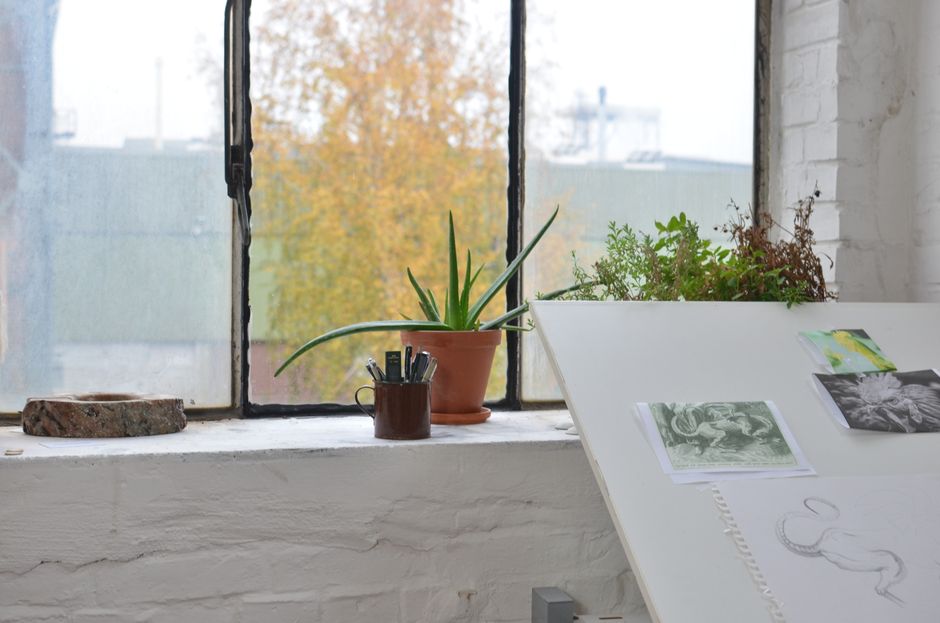
The art desk is bathed in the soft light of the evening, with my sketchbook open and waiting, a pen resting nearby, and a steaming coffee mug providing warmth. The familiar clutter of colored pencils and brushes, all zipped neatly in a bag, sits just within reach, inviting me to dive back into my creative practice. This calm atmosphere feels like a gentle nudge, encouraging me to reclaim the small-scale project I left behind.
As I settle into the chair, I take a moment to breathe deeply, letting the peaceful surroundings wash over me. I notice the blank page staring back, a reminder of the last idea I didn't mark down. Instead of letting this hesitation block my creativity, I decide to flip to the last sketched page. I jot down a quick note for my next session, outlining the idea I had in mind. This small action not only clears the mental clutter but also sets a clear path for my next visit to the sketchbook. Now, as I pick up the pen, the transition from setup to action feels less daunting, allowing me to embrace the moment and begin drawing once again. When Routine Starts to Slip: The Setup Dilemma After a few missed days, the art desk corner feels like a barrier rather than an invitation. The supplies, zipped neatly in a bag, sit just out of reach, creating an unnecessary hurdle to jump over. The thought of unpacking everything—arranging colored pencils, brushes, and papers—can feel overwhelming, making it easy to procrastinate instead of diving back into the sketchbook. In these moments, that blank page can seem daunting, especially when I realize I didn’t mark down the last idea I had.
To ease this friction, I take a small but crucial step: I unzip the bag and pull out my sketchbook. Instead of letting the moment slip away, I flip to the last sketched page and jot down a quick note for my next session. This action not only clears the mental clutter but also serves as a reminder of what I wanted to explore next. With the supplies visible and the next step noted, the transition from setup to action becomes less intimidating. Now, with my sketchbook open and the coffee mug steaming beside me, I can finally embrace this quiet block of time before work, ready to sketch once again.
Understanding the Friction: Why Setup Energy Matters
This same friction shows up again in Creative Hobbies For Adults, especially when the day tightens unexpectedly.
Returning to a creative habit after a few missed days can feel like a daunting task, especially when I sit down at my art desk corner and see my sketchbook tucked away in a bag. The thought of recalling where my colored pencils and pens are stored adds an unnecessary layer of mental load. Instead of diving right in, I find myself hesitating, wondering if I should unpack everything or just pick up a pen and start drawing. This hesitation can turn a simple creative session into a mental roadblock.
The physical act of unpacking supplies often takes more time than simply opening my sketchbook. If I leave my supplies zipped in the bag, I can easily grab my sketchbook and a pen, but that means I miss out on the vibrant colors waiting to inspire me. I’ve learned that marking the next step—like jotting down an idea or a theme on the last sketched page—can help bridge the gap between intention and action. By making a quick note about what to explore next, I reduce the friction of starting. This small adjustment transforms my setup time from a chore into a manageable task.
Good intentions alone don’t always lead to action. Without a clear plan or a visible reminder of what I want to create, I risk losing that spark of inspiration. The next time I sit down at my desk, I’ll focus on keeping my supplies out and ready, while also ensuring that I’ve noted my next creative move. This way, I can embrace those quiet moments before work or after dinner without the weight of setup energy holding me back.
A Simple Adjustment: Prepare the Night Before
A slightly different version of this problem appears in Starting New Hobbies Slowly, where the sequence changes but the hidden drag feels familiar.
Setting the stage for a creative session can feel daunting, especially after a few missed days. One effective way to ease into your art practice is to lay out your sketchbook and supplies on your art desk the night before. This simple action transforms your workspace into a welcoming environment, ready for inspiration. When I leave my sketchbook open beside my favorite pen and a few colored pencils, I eliminate the initial barrier of setup. Instead of rummaging through a bag or drawer, I can simply sit down and start drawing.
Before heading to bed, I take a moment to jot down a quick note in the corner of my sketchbook about what I want to explore next. This could be a theme, a color palette, or even just a simple shape I want to practice. By doing this, I create a clear pathway for my next session. The following day, when I return to my desk, my creative intention is already marked, reducing the friction that often comes with starting again. I can dive right into my drawings, knowing exactly where to begin, and that small sequence change makes all the difference in reigniting my creative flow.
Carrying Forward: The Impact of Preparation on Future Sessions
Returning to my art desk after a few missed days feels less daunting when I’ve set up a welcoming space. My sketchbook lies open, resting beside my favorite pen and a small collection of colored pencils. This simple arrangement invites me to sit down and begin without the usual setup friction. Instead of searching for materials, I can immediately engage with my ideas.
Before I close the sketchbook for the day, I take a moment to jot down a quick note in the corner. This could be a reminder of a theme I want to explore, like "geometric shapes" or a color palette I’ve been considering. When I return the next day, that note serves as a clear starting point. I know exactly what to focus on, which transforms my initial hesitation into a smooth transition into creativity.
Having everything in place not only makes the next session easier but also keeps my creative momentum alive. I can start drawing right away, confident in my direction. This small adjustment—marking my next step—ensures I don’t lose track of my ideas, making it easier to dive back into my art practice each time I sit down at my desk.
Returning to my art desk after a few missed days can feel daunting, especially when the next step in my project isn’t marked. The sketchbook lies open, but without a clear direction, I often hesitate. To combat this, I’ve started placing a sticky note on the page with a simple prompt—like "start with a landscape sketch"—which serves as my reminder. This small action transforms my approach, allowing me to jump right back into the creative flow without overthinking.
As I sit down with my coffee mug in hand, the visible supplies zipped in their bag beside me signal that I’m ready to create. The note not only provides clarity but also reignites my enthusiasm for the project. Next time I finish a session, I’ll continue this practice, ensuring I leave a clear marker for what comes next. This simple adjustment makes the transition from setup to action much smoother, making it easier to maintain my creative momentum.


Comments
Post a Comment