What Drawing Looks Like on an Ordinary Day
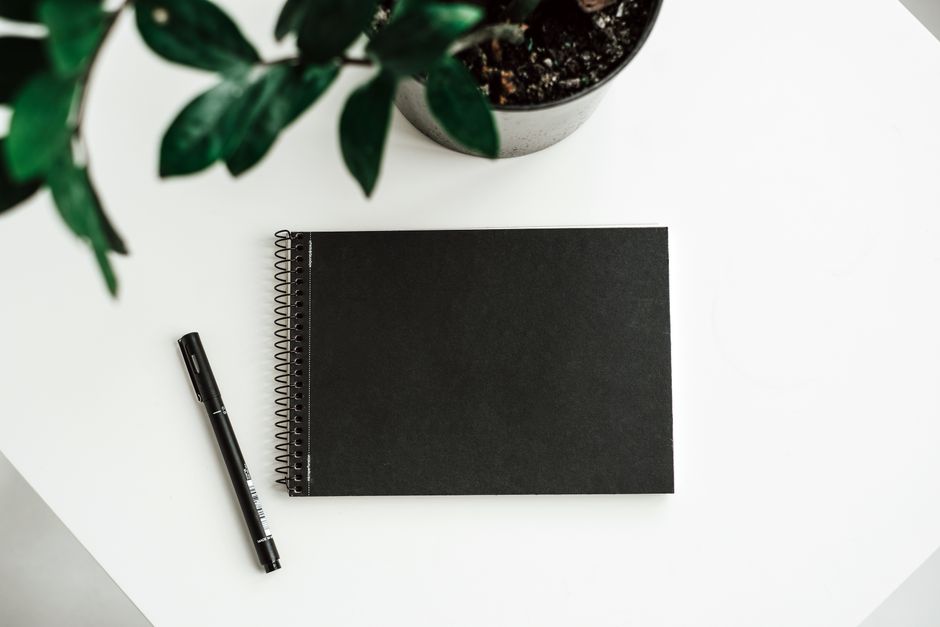
As the sun begins to set, casting a warm glow over the cluttered home desk, the sketchbook lies open, waiting for inspiration to strike. A coffee mug sits nearby, half-full, steam still rising, hinting at the quiet moments just before diving into a creative session. The supplies are neatly zipped in a bag, ready for action, yet there’s a nagging feeling that something is off. The next step, a simple mark on the page to indicate where to begin, has been forgotten, leaving the blank space daunting rather than inviting.
Without that small note to guide the way, the transition from the day’s work to the evening’s art practice can feel jarring. This missed check creates unnecessary friction, making it harder to dive into the drawing or craft project that was once so appealing. Instead of flowing into creativity, the mind stalls, caught in the gap of uncertainty. A quick glance at the supplies reminds of the potential waiting to be unleashed, but without a clear starting point, that potential remains trapped. Adjusting this routine to include a simple marking of the next step could transform that hesitation into a seamless flow of ideas, allowing for a more productive session.
Where the Routine Begins to Slip
As you settle into your home desk, the familiar sight of your sketchbook and a few scattered pens greets you, alongside a half-finished craft project that’s been waiting for attention. The evening light casts a warm glow, but the fatigue from the day’s work presses down, making the idea of diving into a creative session feel overwhelming. You glance at the edge of your sketchbook, where a blank page stares back, and suddenly, the thought of setting everything up feels like an uphill battle.
In this quiet block after dinner, the potential for creativity is stifled by one small oversight: the next step in your project was never marked. Without that simple note to guide your hand, the transition from a long day to a short creative session becomes a struggle. You could easily grab a pen and make that mark now, but the hesitation lingers. Instead, the moment stretches, and you find yourself staring at the supplies, wondering where to begin. A quick adjustment—jotting down a note for the next session or placing a sticky tab on the page—could clear this mental fog and transform your desk into a launchpad for ideas instead of a barrier to creativity.
The Setup Energy Drain
As you settle into your home desk after dinner, the sight of your zipped bag of supplies feels like a barrier. The sketchbook lies open, but the page remains blank, taunting you with its emptiness. You realize that the next step in your project was never marked, leaving you stuck in indecision. This moment of hesitation can quickly drain your motivation, transforming potential creativity into an exhausting mental block.
- Keep your supplies out and ready to use, eliminating the need to unzip and rummage.
- Mark the next step in your project on the page before you finish the last session.
- Consider placing a sticky note on the page to remind yourself of your last thought.
By taking just a minute to mark that next step or even place a sticky tab on the edge of the page, you can alleviate the pressure of setup. This small act can drastically shift your mindset, making it easier to dive into your creative session without the weight of uncertainty hanging over you.
What to Check Before You Begin
Your sketchbook should be open on your desk, with the last completed step clearly marked on the edge of the page. This visual cue not only reminds you where to pick up but also reduces the mental load of deciding where to start. A blank page can feel daunting, but seeing your last mark can spark immediate ideas and help you flow into your creative session.
Instead of keeping your pens and supplies zipped in a bag, place them in a dedicated drawer within arm's reach of your art desk. This small adjustment eliminates the need to unpack each time you want to create. When supplies are readily accessible, you can grab a pen or pencil and start drawing without the friction of rummaging through a bag. This setup encourages spontaneity and allows you to dive into your craft project with less hesitation.
However, good intentions alone may not suffice. If you forget to mark the next step before wrapping up a session, you might find yourself staring at an unmarked page, unsure of how to proceed. This hidden step can lead to unnecessary delays in your creative process. To counteract this, take a moment at the end of your session to jot down a quick note or place a small sticky tab on the page, indicating what you plan to tackle next. By doing this, you create a seamless transition into your next creative block, ensuring that you’re ready to jump back in without losing momentum.
A Simple Adjustment to Jumpstart Creativity
If this pattern keeps repeating, Creative Hobbies For Adults extends the idea without leaving the niche.
At the end of a long day, the thought of starting a sketchbook session can feel daunting, especially if you haven’t marked your next step. A simple yet effective change is to set a timer for five minutes before you wrap up your creative session. This dedicated time allows you to focus solely on jotting down what you want to tackle next, whether it’s a new drawing idea or a color palette you want to explore. Having this note ready means you won’t be left staring at a blank page, unsure of where to begin next time.
Creating a cozy setup on your art desk can also enhance your creative flow. Designate a specific spot for your coffee mug, ensuring it’s always within reach. This small adjustment not only makes your space more inviting but also encourages you to take those quick breaks to recharge. When your favorite drink is close by, you’re more likely to stay engaged with your project, making the entire experience more enjoyable.
As you finish your current session, take a moment to place a sticky tab on the edge of your sketchbook page, marking the next step. This visual cue serves as a reminder, bridging the gap between sessions and eliminating the friction of starting anew. By incorporating these small changes, you create a smoother transition into your creative practice, making it easier to dive back into your projects without hesitation.
How This Change Affects the Next Day
This same friction shows up again in Starting New Hobbies Slowly, especially when the day tightens unexpectedly.
Waking up the next day, the anticipation of continuing your sketchbook session brings a spark of excitement. The sticky tab placed on the edge of the page last night serves as a clear visual cue, reminding you exactly where to dive back in. With the coffee mug still stationed next to your art desk, the setup feels inviting, encouraging you to grab your favorite drink and settle in for a productive session.
As you approach your desk, the supplies remain zipped in their bag, easily accessible without the need for a lengthy setup. You unzip the bag and pull out your sketchbook, pen, and a few colored pencils, all ready to go. This streamlined access eliminates the friction of gathering materials, allowing you to jump straight into your creative practice. The simplicity of this setup means you can quickly start your DIY project without the usual delays.
Noting the next step on your sticky tab, you feel a sense of direction. Instead of staring at a blank page, you have a clear path forward. This small adjustment not only enhances your focus but also creates a smoother transition from day to night, making it easier to engage with your creative hobbies after a long day at work. The ease of access and clear marking of your next step transforms what could be a daunting task into an enjoyable part of your evening routine.
As you sit at your home desk, the remnants of your last creative session still visible, remember that the key to maintaining your small-scale projects lies in those minor adjustments. If you take a moment to mark the next step in your sketchbook before wrapping up, you create a clear entry point for your next session. This simple act can transform the way you approach your creative habits, making it easier to dive back in without hesitation.
Next time you finish a drawing or craft project, place a sticky note at the edge of the page with a brief reminder of your next idea. This small check not only keeps your thoughts organized but also reduces the setup friction when you’re ready to create again. With everything in place, you can seamlessly transition from your daily routine to a fulfilling creative session, turning what might feel like a chore into a moment of joy.


Comments
Post a Comment