What Art Desk Looks Like on an Ordinary Day

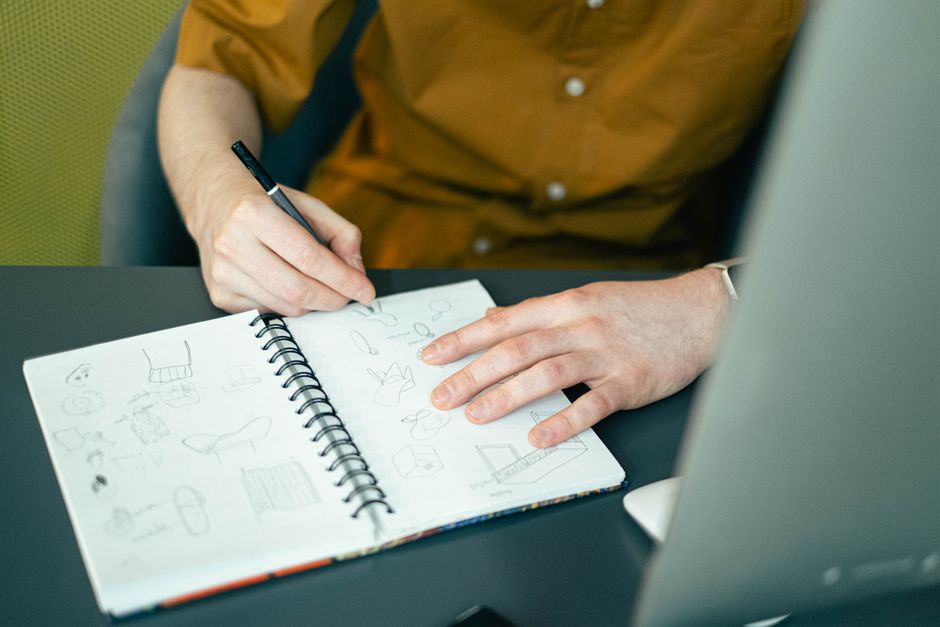
As the sun begins to set, casting a warm glow across the art desk corner, the familiar sight of a sketchbook and a few colored pens invites a short creative session. With a coffee mug steaming nearby, the moment feels ripe for drawing, yet the first step often stumbles at the threshold of indecision. The next page in the sketchbook remains unchosen, leaving a gap between intention and action. Without a clear mark of where to begin, the excitement of starting fades into a frustrating pause, making it easy to overlook the simple act of flipping the page.
This friction often arises from a missed check: not noting the next step from the previous session. A quick note in the margin of the sketchbook could serve as a bridge, guiding the creative flow and eliminating the hesitation that can derail the momentum. Instead of diving straight into the materials, the mind circles back, caught in a loop of uncertainty. By preparing this small detail ahead of time, the transition from one session to the next becomes smoother, allowing creativity to flourish rather than falter at the art desk.
The Routine That Should Flow Smoothly
The art desk corner is a small sanctuary, with a sketchbook open to a fresh page, a pen resting nearby, and a steaming coffee mug waiting to fuel creativity. As evening settles in, this quiet block of time after dinner feels perfect for a quick drawing session. The intention is to dive right into the work, but the first hurdle often appears: the next step isn’t marked, leaving the artist staring at the blank page, unsure of where to begin.
To ease into the creative flow, it helps to establish a simple ritual. Before wrapping up the last session, a quick note in the margin can indicate what to tackle next. For instance, jotting down "sketch the garden scene" can eliminate the hesitation that comes with uncertainty. When the artist returns, they simply open the sketchbook to the marked page, ready to pick up right where they left off. This small adjustment transforms a potentially frustrating start into an inviting invitation to create, keeping the momentum alive at the art desk.
The First Misstep: Forgetting the Next Step
As the evening light filters through the window, the art desk is a cozy nook filled with supplies: a sketchbook, a few colored pencils, and a trusty pen. The intention is to dive into a short creative session, but the moment the sketchbook is opened, hesitation creeps in. The next page isn’t marked, and the blankness stares back, creating a barrier between the artist and their creativity.
This initial snag can shift the mood from eager anticipation to frustration. Instead of flowing into the drawing, the artist finds themselves stuck, grappling with indecision. Should they sketch a new idea or continue an unfinished piece? This uncertainty can lead to a drift in focus, where the creative energy dissipates, replaced by a nagging sense of being unprepared.
To prevent this drift, establish a habit of marking the next step before closing the sketchbook. This small action not only clarifies the direction but also preserves the momentum of creativity. When the artist returns, they can immediately open to the marked page, ready to pick up where they left off, minimizing the risk of losing that initial spark.
Why This Friction Keeps Repeating
Returning to the art desk after a long day can feel like stepping into a creative minefield, especially when the sketchbook is left open to an unfinished page. This scenario often creates an invisible barrier, where the artist stares at the half-finished drawing, unsure whether to continue or start anew. The mental block intensifies when there’s no clear plan marked on the page, leading to a shift in mood that turns anticipation into hesitation. Instead of diving into a flow of creativity, the artist finds themselves caught in a loop of indecision, which can easily derail the entire session.
To tackle this friction, a simple yet effective practice is to take a moment before closing the sketchbook. Mark the next step or jot down a note about what to work on next. This small act not only provides clarity but also sets a clear intention for the next creative session. When the artist returns, they can open the sketchbook directly to the marked page, minimizing the chance of losing momentum. However, this requires a commitment to maintaining the workspace, as a cluttered desk or a lack of organized materials can further complicate the process. Balancing the desire for spontaneity with the need for preparation is crucial in keeping the creative habit alive. A Simple Correction: Marking the Next Page As the evening light filters into the art desk corner, the sketchbook lies open, revealing a half-finished drawing. The coffee mug sits nearby, steam curling up as a reminder of the short creative session ahead. Before closing the sketchbook, it’s crucial to take a moment to jot down a note on the current page, indicating the next step or idea to explore. This small action—marking the next page—can significantly reduce the mental load for the next creative session.
- Write a brief note of what to continue or explore next.
- Choose a specific page or section to return to, avoiding indecision.
- Keep the workspace tidy, ensuring materials are easily accessible.
This adjustment fits seamlessly into the closing routine of each session. By integrating this practice, the artist can open the sketchbook directly to the marked page, minimizing the chance of losing momentum. The next time the artist sits down, the note serves as a clear guide, transforming what could have been a frustrating restart into a focused dive back into creativity. The art desk becomes not just a workspace but a launchpad for ongoing projects, reinforcing the habit of small-scale creativity.
A Quick Checkpoint: The Power of Preparedness
A slightly different version of this problem appears in Creative Hobbies For Adults, where the sequence changes but the hidden drag feels familiar.
Before diving into your next creative session, take a moment to ensure the sketchbook is open to the marked page. This small action eliminates the indecision that often creeps in, allowing you to immediately see your next step. With a quick glance, you can confirm that your note is clear, guiding you back to where you left off. This simple preparation not only saves time but also keeps your momentum flowing.
Additionally, check the art desk corner where your materials are spread out. A clutter-free workspace enhances focus, making it easier to jump right into drawing or crafting. Place your coffee mug within reach, alongside your pen and sketchbook, ensuring everything is organized and ready for use. By maintaining this tidy setup, you create a welcoming environment that encourages creativity. The next time you sit down, you’ll find it easier to engage with your projects, rather than facing the friction of a disorganized space.
Easier Sessions After the Correction
If this pattern keeps repeating, Starting New Hobbies Slowly extends the idea without leaving the niche.
Returning to your art desk after a short break feels notably smoother when the next step is already defined. Instead of flipping aimlessly through your sketchbook, you can open it directly to the marked page, where your last drawing awaits. This small adjustment eliminates the friction of deciding where to start, allowing your creativity to flow more freely. The simple act of placing a sticky note on the next blank page serves as a visual cue, reminding you of your intended direction.
In this quiet block of time—perhaps just after dinner or a brief pause before work—you can easily dive back into your drawing. With your pen in hand and the sketchbook open, the initial hesitation fades. The clarity of knowing exactly what you want to work on invites a renewed sense of creativity. Instead of feeling overwhelmed by choices, your focus sharpens as you begin to fill the page with ideas.
Next time you sit down, take a moment to check that your art materials are organized. Ensure your favorite pens are within arm's reach, and your coffee mug is filled, providing comfort as you create. This setup not only enhances your workflow but also transforms your desk into a more inviting space. The difference is palpable; you’re not just starting a creative session, you’re stepping back into a world where your projects can thrive without unnecessary interruptions.
As you prepare for your next creative session, consider the small but impactful details that can make a difference. If the next page of your sketchbook isn’t marked, you might find yourself hesitating, unsure of where to begin. Take a moment to flip to the next blank page and jot down a quick note about your intended focus for that session. This simple act not only eliminates the friction of indecision but also sets a clear intention, making it easier to dive back into your art practice.
Keeping your supplies organized in that cozy corner of your art desk can also help. Ensure that your favorite pens are neatly arranged and that your sketchbook is easily accessible. This small adjustment transforms your workspace into an inviting creative haven, ready for action at a moment's notice. The next time you approach your desk, you’ll find it easier to jump back into your projects, with everything in place to support your creative habits.


Comments
Post a Comment