The Creative Session Slip: What Gets Missed First

At the edge of my art desk, a sketchbook lies open, its pages filled with half-finished drawings and scattered notes. A coffee mug, still warm, sits nearby, the faint aroma of the brew mingling with the crisp scent of pencil shavings. It’s a quiet block of time before I dive into work, a rare moment that could easily slip away if I don’t act quickly. I reach for my bag of supplies, but the thought of unpacking everything feels heavier than it should. The materials—brushes, paints, and colored pencils—remain zipped up, waiting for the right moment to emerge.
This hesitation often leads to missed creative sessions, as the setup feels larger than the actual act of drawing. Each time I think about starting, I mentally tally the steps: pulling out the supplies, clearing the desk, and finding a comfortable spot to work. The friction builds, and soon I find myself scrolling through my phone instead, the vibrant colors of my art practice fading into the background. A simple check, like laying out my sketchbook and a pen the night before, could make all the difference, transforming that initial barrier into an easy entry point for creativity.
Starting with a Full Desk: The Setup
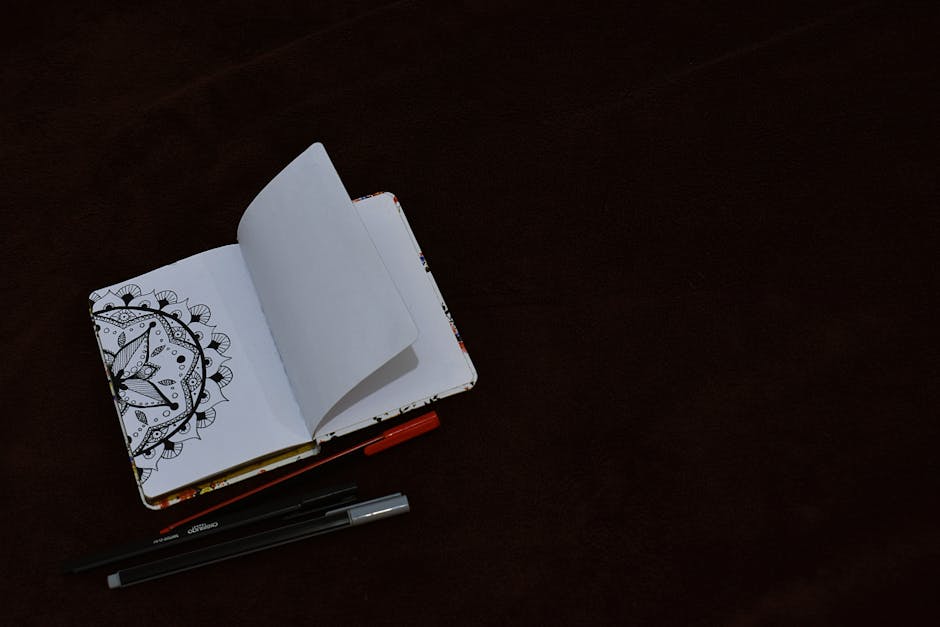
The art desk is a chaotic yet inviting space, cluttered with a mix of supplies that hint at past creative sessions. A half-open sketchbook lies at the edge, its pages slightly curled, while a warm coffee mug sits nearby, steam curling up in the cool air. The notebook, filled with doodles and ideas, is wedged between a set of colored pencils and a stack of old drawings, creating an atmosphere that feels both productive and overwhelming.
As the clock ticks towards a quiet block before work, I sense the fleeting opportunity for a short creative session. It’s a time when distractions are minimal, but the thought of diving in feels daunting. The setup can often feel bigger than the actual act of creating. I glance at the supplies zipped up in their bag, ready to be unleashed, but the mental checklist weighs on me: unpack the bag, clear the desk, and find that perfect spot to start. Instead of diving in, I find myself hesitating, caught between the urge to create and the friction of setup.
To combat this, I decide to lay out my sketchbook and pen right now. I pull them from the clutter, placing them prominently on the desk, a visible invitation to begin. This small action transforms my space, signaling that it’s time to create. The bag of supplies can remain closed for now; the focus is on making that initial mark on the page. Yet, even as I set this up, the thought lingers—will I truly begin, or will the weight of the setup pull me back into the comfort of my phone instead?
Where the Routine Begins to Slip
The moment I sit down at my art desk, I notice the edge of my sketchbook peeking out from under a pile of loose papers. It’s a reminder of the creative sessions I’ve let slip by in the past few days. The supplies I need are close by, but they remain zipped in a bag, creating an invisible barrier between me and the act of drawing. I can feel the hesitation creeping in, as if the physical act of unpacking my materials is somehow more daunting than the act of creating itself.
As I glance at the bag, I realize I’ve missed a crucial check: I haven’t taken the time to lay out my tools. Instead of reaching for my pen and sketchbook, I’m caught in a loop of indecision. I could easily pull out my materials, but the thought of clearing the desk first feels like an unnecessary hurdle. The coffee mug sits untouched, a reminder that this quiet block of time before work is fleeting. If I don’t act now, I risk losing this moment to distractions.
To break the cycle, I decide to open the bag and pull out my colored pencils, placing them directly beside my sketchbook. This small action shifts the energy in the room, signaling that I’m ready to begin. However, a lingering thought remains: will I truly dive into drawing, or will I let the weight of the setup pull me back into the comfort of scrolling through my phone? The setup feels bigger than the actual practice, and I wonder if I’ll find the momentum to push through this initial friction.
This same friction shows up again in Starting New Hobbies Slowly, especially when the day tightens unexpectedly.
Why Setup Becomes a Barrier
The moment I glance at my art desk, the sight of my zipped supply bag feels like a reminder of all the steps I need to take before I can start drawing. I know I should just grab my sketchbook and pen, but the thought of unpacking everything looms large. This mental load of shifting gears from daily tasks to creative work can be overwhelming, especially when the clock is ticking down to my next obligation.
Unzipping the bag and laying out my colored pencils seems simple, yet it often leads to a cascade of second-guessing. As I pull out each item, I find myself wondering if I truly want to commit to this creative session. The time spent unpacking can feel like a hidden step, one that distracts from the actual act of drawing. In that moment, I realize that my good intentions alone aren’t enough to overcome the inertia of setup. The pencils, once vibrant tools of expression, now seem like barriers to my creativity, and I find myself hesitating, caught between the desire to create and the weight of preparation.
To break this cycle, I decide to take a small yet significant action: I place my sketchbook open on the desk, ready for my first mark. This visual cue shifts my mindset; the setup now feels less daunting. I remind myself that the first stroke is often the hardest, but it’s in that initial movement where I can find the momentum to push through. Yet, as I sit there, I can’t help but wonder if I’ll truly dive into drawing or let the setup drag me back into the comfort of my phone.
A Simple Adjustment to Reduce Drag
After a few days away from my art desk, the thought of starting a new sketch can feel overwhelming. My supplies, zipped tight in a bag, seem to mock my intentions. As I sit down with a coffee mug in hand, I glance at the cluttered surface, where my sketchbook lies closed, waiting for inspiration. The quiet block of time before work is slipping away, and I know I need to act quickly to avoid losing momentum.
To kickstart my creative session, I unzip the supply bag and lay out my materials: colored pencils, a sharpener, and a few sheets of textured paper. This small adjustment makes a noticeable difference; everything is now within reach, and the visual presence of my tools creates a sense of readiness. I take a moment to photograph the current state of my desk, capturing the organized chaos as a source of inspiration. This image serves as a reminder of my intention to create, motivating me to make that first mark on the page.
As I sit back down, I realize that the act of unpacking and setting up is not just a chore but a crucial part of my creative process. The initial friction of setup has lessened, allowing me to focus on the drawing itself rather than the barriers that once felt insurmountable. However, I still wonder if this newfound accessibility will be enough to keep me engaged, or if I’ll slip back into distractions once again.
How This Change Affects the Next Steps
If this pattern keeps repeating, Creative Hobbies For Adults extends the idea without leaving the niche.
With my supplies now neatly arranged in the art desk drawer, the transition to drawing becomes almost instinctual. I pull out my sketchbook and a few colored pencils, feeling the familiar weight of the tools in my hand. The act of simply flipping open the sketchbook feels like an invitation rather than a task. I take a sip of my coffee, allowing the quiet moment before work to settle around me. This ease of access encourages me to dive into a quick creative session, rather than scrolling through my phone or getting lost in household chores.
The impact of reducing setup time ripples through my day. Instead of feeling overwhelmed by the thought of gathering materials, I find myself sketching within minutes. The initial friction of setup has transformed into a smooth entry point for creativity. Each stroke of my pencil on the page becomes a small victory, reinforcing my habit of engaging with my art practice regularly. I notice that on days when I maintain this ready-to-start setup, I am less likely to skip my creative time, even when distractions loom. Yet, I still wonder if this newfound ease will hold up against the pull of daily responsibilities, or if I’ll find myself back at square one, with supplies zipped away and inspiration lost.
As I sit at my art desk, I notice the sketchbook still open to the last page I worked on, a reminder of the creativity I’ve let slip in the chaos of daily life. The supplies, zipped away in their bag, are a barrier I hadn’t fully acknowledged until now. I realize that the act of simply unzipping that bag can feel monumental when the day has already drained my energy. This small check—ensuring my materials are ready and visible—could be the difference between a quick sketch and another missed opportunity to engage with my art practice.
Returning to that quiet block before work, I can set a timer for just ten minutes to draw. It’s a manageable commitment that feels less daunting than a full creative session. By making this adjustment, I’m reclaiming those moments that often slip away. The question remains: will I keep this setup ready tomorrow, or will I let the distractions reclaim my desk? Only time will tell, but for now, I’ll focus on unzipping that bag and letting the creativity flow.


Comments
Post a Comment