A More Useful Way to Approach Diy Projects
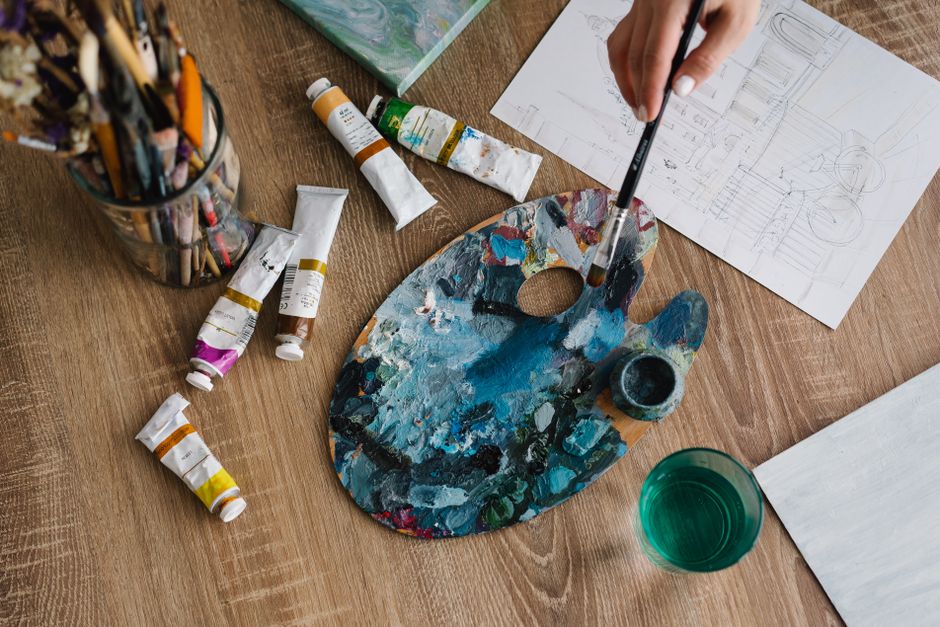
On a quiet evening, just after dinner, the art desk sits invitingly cluttered with a sketchbook, a few colored pencils, and a half-empty coffee mug. The promise of creativity hangs in the air as the adult beginner prepares to dive back into the sketchbook, eager to capture thoughts and ideas that have been swirling around all day. However, as they reach for the sketchbook, a familiar friction emerges: the pencil needs sharpening before anything can begin. Supplies are nearby, yet the readiness to start feels just out of reach.
With the sketchbook open to a fresh page, the moment feels ripe for inspiration, but the simple act of grabbing the sharpener becomes a hurdle. The desk, while visually appealing, lacks a crucial setup for a smooth creative session. This small oversight—a pencil left unsharpened—can derail the entire journaling effort, turning what should be a moment of flow into a frustrating pause. As the beginner realizes they need to take that extra step, the initial excitement begins to fade, highlighting how easily a minor detail can disrupt the creative process.
The Quiet Start: A Creative Session Begins
On a cluttered home desk, a sketchbook lies open, its blank pages inviting creativity under the soft glow of a desk lamp. A pen rests nearby, and a half-empty coffee mug sits within reach, the warmth from the brew still lingering. The atmosphere is calm, perfect for a short creative session after dinner, a moment when thoughts can flow freely onto the page.
As the adult beginner prepares to sketch, the excitement of starting a new journaling session fills the air. However, that enthusiasm quickly meets a small but significant obstacle: the pencil is dull and requires sharpening. This minor detail, often overlooked, can easily derail the intention to create. With the sketchbook open and waiting, the act of grabbing the sharpener feels like an unwelcome interruption, breaking the flow before it even begins.
To avoid this friction in future sessions, a simple adjustment can be made: set the sharpener next to the sketchbook as part of the ready-to-start setup. This way, when the moment strikes, the beginner can simply reach for the sharpener, ensuring that the pencil is ready to go. By making this small change, the creative process can remain uninterrupted, allowing inspiration to take center stage without the distraction of unprepared tools.
The First Step That Gets Skipped
This same friction shows up again in Creative Hobbies For Adults, especially when the day tightens unexpectedly.
At the edge of the art desk, the sketchbook lies open, inviting creativity. However, the moment the beginner reaches for the pencil, a familiar frustration arises: it’s dull and in need of sharpening. This small but crucial step often gets overlooked in the excitement of starting a new journaling session. Supplies may be within arm's reach, but if the pencil isn’t ready, the flow of inspiration is interrupted before it even begins.
In a quiet block of time after dinner, the act of grabbing the sharpener feels like a detour rather than a part of the creative ritual. The beginner finds themselves stuck, staring at the blank page while the pencil waits, unsharpened. To streamline this process, the sharpener should be positioned next to the sketchbook, creating a ready-to-start setup. By placing it there, the beginner can quickly check off that first step, ensuring the pencil is sharp and the creative session can commence without delay.
This simple adjustment transforms the journaling experience. Instead of feeling like an obstacle, the act of sharpening becomes a seamless part of the routine. When the beginner sits down to create, they can dive straight into their drawings without the distraction of unprepared tools. The difference is palpable: with everything in place, inspiration flows freely, and the sketchbook becomes a canvas for ideas rather than a source of frustration.
Why the Routine Fails: Observations on Friction
A slightly different version of this problem appears in Starting New Hobbies Slowly, where the sequence changes but the hidden drag feels familiar.
With the sketchbook open on the art desk, the initial action feels elusive. The pencil lies nearby, but the first move isn’t clear. Instead of diving into the creative session, the beginner finds themselves distracted by the phone, notifications lighting up the screen with reminders and messages. Each buzz pulls attention away from the blank page, creating a barrier to starting the drawing. The intention to journal is strong, yet the presence of the phone becomes a hidden step in the routine that derails focus.
Before any mark can be made, the pencil needs sharpening, a task that feels tedious in the moment. This small friction point, often overlooked, can transform the eagerness to create into a sense of frustration. The sharpener, sitting across the desk, requires an extra movement that interrupts the flow. If it were placed next to the sketchbook, the beginner could quickly check this off the list, ensuring the pencil is ready without breaking concentration. This minor adjustment can mean the difference between a productive session and a stalled one.
Good intentions alone aren’t enough when the environment is not set up for success. The clutter of supplies nearby, while seemingly helpful, can actually create decision fatigue. Each item becomes a potential distraction rather than an aid. As the beginner sits down in the quiet block before work, the goal is to create, but the friction of unprepared tools and the lure of the phone can easily derail that ambition. Recognizing these hidden challenges is the first step in transforming the journaling experience from a source of stress into a space for creativity.
A Better Order for the Same Five Minutes
The edge of the sketchbook often serves as a starting point, but it can also highlight what’s missing. When the pencil lies across the desk, it’s easy to forget that it needs sharpening. Instead of leaving it to chance, place the sharpener right next to the sketchbook. This simple adjustment transforms the act of preparing to draw into a seamless part of the creative session.
Before settling in for a quick journaling moment after dinner, take a moment to prepare the workspace. Ensure the sketchbook is open to a fresh page, the pen is uncapped, and the pencil is sharpened. This small sequence change eliminates the friction of searching for tools mid-session. With everything in place, the focus shifts from the clutter of unprepared supplies to the actual act of creating.
When the desk is ready, it signals the mind that it’s time to engage. A mug of coffee can sit nearby, but if it becomes a distraction, consider moving it out of arm's reach. This decision reduces the temptation to sip and scroll through the phone, allowing the five minutes to be fully dedicated to drawing. By prioritizing the setup, the creative session becomes a more inviting space, free from the hidden challenges that often derail the journaling effort.
What Changes Next: Carrying Forward the Adjustment
The next time the sketchbook comes out, the scene at the desk feels different. The pencil, freshly sharpened and waiting beside the open sketchbook, makes it easy to dive right in. With the pen uncapped and lying nearby, there’s no fumbling or searching for tools. Instead, the focus shifts to the blank page, inviting creativity without interruption. This small but significant adjustment transforms the atmosphere from chaotic to calm.
As the artist settles into the chair, the quiet block of time after dinner becomes a productive moment. The absence of setup friction means there’s no hesitation to start drawing. Each stroke feels more fluid, and the motivation to continue flows naturally, unburdened by the need to pause and prepare. The coffee mug, now positioned just out of reach, serves as a reminder to stay engaged with the art rather than getting distracted by a sip or a scroll on the phone.
This shift in preparation not only enhances the immediacy of the creative session but also cultivates a sense of routine. The artist finds it easier to return to the desk, knowing that everything is ready for action. The simple act of leaving the pencil out and ensuring the sketchbook is open creates an inviting space that encourages regular practice. Small adjustments like these can lead to a more fulfilling journaling experience, one where creativity thrives without the hidden challenges that once derailed it.
As the sketchbook lies open on the art desk, the absence of clutter transforms the space into a welcoming haven for creativity. The pencil, sharpened and ready, sits beside the sketchbook, eliminating the common friction of needing to prepare before starting. This simple act of leaving the pencil out means the artist can dive right into their drawing, avoiding the distraction of searching for tools or getting sidetracked by other tasks.
Before settling in for a short creative session, take a moment to check that all supplies are within easy reach. Ensuring the sketchbook is open and the pencil is sharpened creates an inviting atmosphere that encourages spontaneous creativity. This small adjustment can make all the difference, allowing the artist to focus on their craft rather than the logistics of getting started. Next time you sit down to sketch, remember to set up your space for immediate action, leaving tools ready and waiting to inspire your next home project.


Comments
Post a Comment