When the Setup Becomes the Stumbling Block
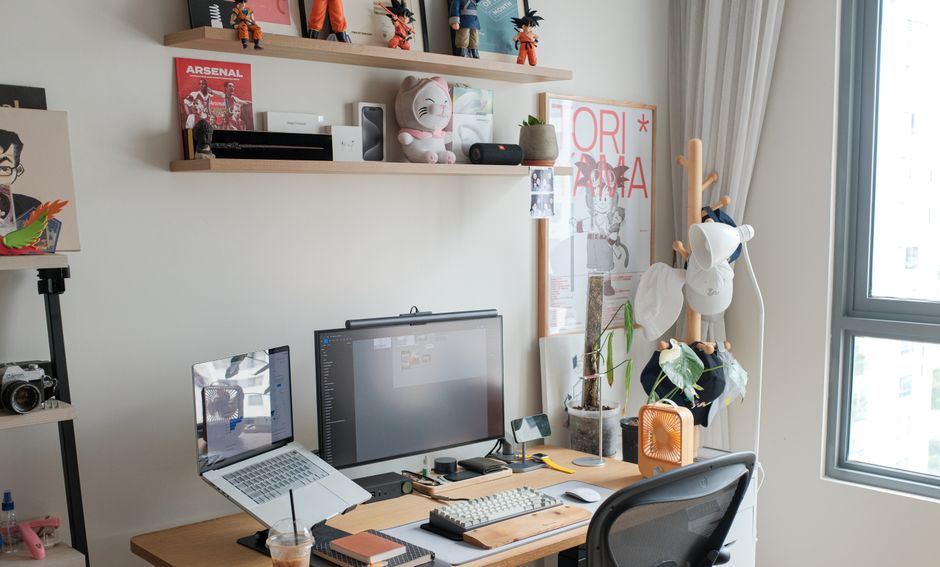
As the clock ticks past 6 PM, the home desk is a familiar sight: a sketchbook lies open, a pen rests nearby, and a coffee mug sits half-full, cooling in the evening air. The supplies are close at hand, yet there's a palpable friction in the air. The bag containing the colored pencils remains zipped, and the tray that holds the brushes is cluttered with bits of paper and tape. Even with everything visible, the thought of unzipping the bag and sorting through the mess feels like a daunting task after a long day at work.
This moment of hesitation often leads to a missed opportunity for creativity. Instead of diving into a quick sketch or jotting down ideas, the setup energy stalls. If only one specific tool, like a favorite pencil, were left out on the desk, it could serve as a visual cue, inviting the mind to engage. A simple adjustment like this could reduce the friction, making it easier to transition into a creative session. With supplies at the ready and one clear item in sight, the chance to reignite that small-scale project becomes not just possible, but inviting.
The Setup That Starts to Slip
On the corner of a small home desk, a sketchbook lies open, its pages inviting yet untouched. Next to it, a coffee mug, half-full and cooling, serves as a reminder of the quiet block before work. The colored pencils, however, remain zipped tight in a canvas bag, and the brushes are scattered among bits of paper and tape. This clutter, while familiar, creates a barrier to creativity. The thought of unzipping the bag and sorting through the mess feels daunting after a long day, causing hesitation that can easily lead to a missed opportunity for a quick DIY project.
As the evening settles in, the realization hits: to dive into that small-scale art practice, the materials need to be ready. Instead of reaching for the bag, a simple adjustment could make all the difference. Leaving out one specific tool, like a favorite pencil, serves as a visual cue on the desk. This small act transforms the space, inviting engagement and reducing the friction that stalls the creative flow. With the pencil in plain sight, the transition into a drawing session becomes not just feasible but also appealing, allowing the mind to shift gears with less resistance.
The Hidden Energy Drain of Setup
Even as the clock ticks toward a quiet evening, the thought of diving into a small-scale art project can quickly fade. The supplies, neatly stored in a bag, sit just a few feet away on the desk. The sketchbook, a canvas for ideas, lies beneath a pile of other materials, waiting to be freed. Yet, the act of unzipping the bag and rummaging through the contents feels daunting after a long day. This friction, the mental and physical effort required to unpack, creates a barrier that can stifle creativity before it even begins.
As the minutes slip by, the realization dawns: the time spent setting up could have been dedicated to actual drawing or journaling. Instead, the sketchbook remains untouched, and the coffee mug cools beside it, a silent witness to the missed opportunity. Leaving just one tool, like a favorite pencil, out on the desk could serve as a visual cue, prompting a more immediate transition into creative work. This single adjustment not only reduces the setup energy needed but also transforms the desk into an inviting space for creativity. Without that initial barrier, the shift from thought to action becomes smoother, allowing for a more fulfilling creative session.
What Gets Missed in the Routine
At the end of a busy day, the thought of diving into a creative session can feel overwhelming, especially when supplies are nearby but not ready. A dedicated supply tray can be a game changer, keeping essential items like a pen, notebook, and sketchbook within arm's reach. However, if these items are tucked away in a bag, the act of unzipping and rummaging through the contents can create a mental barrier that halts momentum. Instead of jumping right into drawing or journaling, precious time slips away as you sift through materials.
To ease this friction, consider leaving one tool out, such as your favorite sketchbook, prominently displayed on your desk. This simple act serves as a visual cue, inviting you to transition into your creative work more seamlessly. When you sit down with a cup of coffee, the sight of that sketchbook can spark inspiration and reduce the setup energy needed to start. Conversely, if you find yourself staring at a closed bag, the good intentions of wanting to create may not be enough to overcome the inertia.
Another overlooked step is ensuring your supply tray is stocked with the basics. Before the day ends, take a moment to check that your pen has ink, your notebook is filled with blank pages, and any other tools you might need are ready to go. This small ritual can transform your desk into an inviting creative space, eliminating the hidden step of gathering supplies mid-session. The tradeoff here is clear: while it may take a few minutes to prepare, the payoff is a smoother transition into creativity, allowing you to make the most of those quiet moments after work.
A Simple Adjustment for Smooth Sailing
If this pattern keeps repeating, Creative Hobbies For Adults extends the idea without leaving the niche.
After a long day, the last thing you want is to spend precious minutes digging through a bag for your creative supplies. Instead, take a few moments at the end of your last session to set up for the next. Place your sketchbook, pen, and any other materials directly on your desk, within arm's reach. This way, when you sit down with your coffee, everything is visible and ready to go, reducing the setup friction that can stall your creativity.
- Keep your supply tray stocked with essentials like fresh pens and a blank notebook.
- Leave your favorite drawing tool out on the desk to serve as a visual cue for your next creative session.
- Prioritize a quick check of your materials before you finish for the day, ensuring everything is in order.
By making this small adjustment, you can avoid the frustration of having to unpack supplies from a zipped bag. Instead, you’ll find that simply glancing at your art desk can ignite your inspiration. Aim to check your setup each evening before winding down. This quick routine not only saves time but also prepares your mind for creativity, making it easier to dive back into your projects without hesitation.
What Gets Easier in the Next Time Block
This same friction shows up again in Starting New Hobbies Slowly, especially when the day tightens unexpectedly.
After a long day, the prospect of diving into a drawing session can feel daunting, especially if your supplies are still zipped away in their bag. Instead of reaching for the bag, consider leaving your favorite sketchbook open on the desk, right next to your coffee mug. This simple act transforms your workspace into an inviting creative zone, reducing the mental barrier that often accompanies starting a new project.
When you sit down for a quick sketch, the sight of your open sketchbook serves as a prompt, nudging you to pick up your pencil and begin. This small adjustment not only saves you time but also encourages spontaneity in your creative process. If you take a moment to check your supply tray before wrapping up your previous session, you can ensure that your favorite pens are ready to go. A quick glance at your tray can remind you to refill any empty spots, making sure everything is in order.
By incorporating this routine, you create a smoother transition into your next creative block, allowing you to focus on drawing rather than searching for materials. The next time you sit down, you’ll find that the initial friction is significantly reduced, letting your ideas flow more freely onto the page.
As you wrap up your evening creative session, take a moment to leave out one essential tool, like your favorite pen or a sketchbook, right on your desk. This simple act can transform your next session, minimizing the friction that often comes with gathering supplies. When you sit down again, that visible cue will remind you to dive right in, rather than getting sidetracked by searching through bags or drawers.
Next time you finish a project, check your supply tray and ensure it’s stocked with your go-to materials. A quick glance can help you spot any items that need replacing, making it easier to jump back into your creative flow. By keeping this routine, you’re not just organizing your space; you’re setting up a seamless transition into your next creative block, ensuring that inspiration has room to thrive.


Comments
Post a Comment