When Setup Becomes a Barrier: Rethinking Your Sketchbook Sessions

As the evening light filters through the window, the lamp on my art desk casts a warm glow over my supplies. I sit down with a fresh sketchbook and a well-worn pen, ready to dive into a short creative session. Yet, I find myself hesitating. The supplies remain zipped in their bag, and the next step in my drawing process is a vague memory rather than a clear action. It’s a quiet block of time before work, and I want to seize it, but the thought of setting everything up feels overwhelming.
This friction often stems from the unmarked transition between intention and action. I realize that I’ve skipped the simple act of leaving one tool out, a small yet crucial detail that could signal my readiness to create. Without that visible cue, the momentum stalls, and I’m left staring at a blank page instead of sketching ideas. Each missed step compounds the difficulty of starting, turning what should be an enjoyable practice into a daunting task. Recognizing these small barriers can help streamline the process and make starting a small-scale project feel less like climbing a mountain.
The Setup That Stalls Creativity
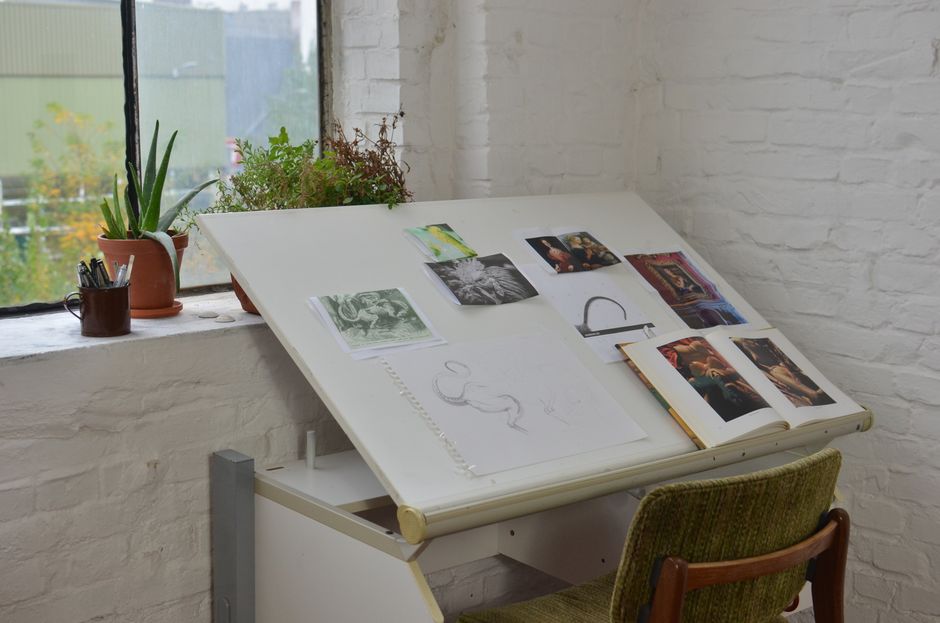
On my art desk, the lamp casts a warm glow over my supplies, yet the familiar sight of my sketchbook and coffee mug feels more like a barrier than an invitation. I sit down, ready to dive into a creative session, but my first instinct is to gather everything from the zipped bag tucked away in the corner. This process seems reasonable at first; it’s a routine I’ve followed countless times. I pull out the sketchbook, a few pens, and a couple of colored pencils, but the act of setting up becomes a chore rather than a prelude to inspiration.
As I arrange my workspace, I notice how the coffee mug sits idle, waiting for my attention while I fumble with the pen caps. The sketchbook lies closed, and I realize I’ve skipped the crucial moment of leaving one tool out—perhaps my favorite pen or a specific pencil. This small act could signal my readiness to create and eliminate the mental block that often accompanies the transition from gathering supplies to actually drawing. Instead, I’m left with a vague sense of what to do next, as if the next step is a mystery rather than a clear action.
Opening the sketchbook feels like a monumental task when I haven’t marked the intention to start. I flip through the pages, searching for inspiration while my supplies remain scattered across the desk. Each moment spent organizing only adds to my hesitation, and I find myself staring at a blank page instead of sketching ideas. The setup that should ignite my creativity instead stalls it, transforming a simple act of drawing into a daunting challenge. Recognizing these small barriers is essential for reclaiming the joy of starting a small-scale project, allowing me to approach my creative practice with renewed energy.
Where the Default Method Breaks Down
As I sit at my lamp-lit work surface, ready to dive into a sketchbook session, the reality of setup fatigue quickly sinks in. My supplies, tucked away in a bag, feel like a barrier rather than a resource. The act of retrieving them becomes an unexpected chore. I rummage through the bag, searching for my favorite pen, only to find it buried under a tangle of brushes and paper scraps. Each moment spent sifting through materials adds to my frustration, making the idea of starting to draw feel increasingly daunting.
The clutter of setup creates a mental barrier that stifles creativity. Instead of feeling inspired by the blank pages of my sketchbook, I am overwhelmed by the disarray around me. I glance at the clock, noting the quiet block of time I had hoped to use for drawing is slipping away. The risk of distractions looms large; I might just check my phone or get up for another cup of coffee instead. The very setup that should energize my creative practice now feels like a weight, pulling me further from the act of drawing.
To counter this friction, I’ve started leaving one tool out on my desk—usually my sketchbook—so it serves as a visible cue to begin. This small adjustment helps mark my intention and reduces the chances of setup fatigue. When I sit down and see that sketchbook open, it invites me to pick up my pen and start drawing immediately, rather than getting lost in the clutter of supplies. The act of simply placing that one object in view shifts my focus back to creativity, allowing me to reclaim those precious moments I once lost to setup chaos.
This same friction shows up again in Starting New Hobbies Slowly, especially when the day tightens unexpectedly.
A Simpler Approach to Starting
Returning to my art desk after a few missed evenings can feel daunting, especially when the supplies remain zipped in a bag, out of sight and out of mind. The clutter can be overwhelming, and the thought of setting everything up often stalls my creativity. Instead of letting setup energy derail my session, I’ve streamlined my approach to make starting easier.
- Keep your sketchbook and a pen on the desk at all times. This way, they are always visible and ready for use, eliminating the need to rummage through bags.
- Prepare a designated workspace where essential tools, like a few colored pencils or markers, are laid out neatly. This visibility encourages spontaneity and reduces the time spent searching for materials.
- Limit the number of supplies to just the basics—perhaps just a few favorite colors and your sketchbook. This helps to reduce decision fatigue, allowing you to dive into your creative session without hesitation.
By making these adjustments, I’ve noticed a significant shift in my creative flow. The simple act of placing my sketchbook open on the desk serves as a visual cue, inviting me to draw right away. I’ve also found that when I limit my tools, I can focus more on the act of creating rather than getting bogged down by choices. This approach not only minimizes setup energy but also makes it easier to reclaim those quiet blocks of time before work or after dinner.
The Tradeoff of Convenience vs. Preparedness
Setting up a creative space for a sketchbook session often feels like a delicate balancing act. Leaving out just a few essential tools, like a favorite pen and a sketchbook, can encourage spontaneous drawing. However, this convenience can lead to a limited variety of projects. With only a handful of supplies readily available, the temptation is to stick to familiar techniques and subjects. Over time, this can create a workspace that feels stagnant, lacking the vibrant energy that comes from exploring different materials.
Consider the lamp-lit work surface where I often begin my creative sessions. If I leave my sketchbook open and my pen uncapped, I’m more likely to dive right in during those quiet blocks before work. Yet, this setup can also mean neglecting other tools that might inspire new ideas. For instance, if I keep colored pencils zipped away in a bag, I might forget about them entirely. The next step in my creative journey is never marked, leading to missed opportunities for growth. While the ease of access to a few familiar tools can streamline the process, it risks dulling my creative edge.
Ultimately, the tradeoff is worth considering. Convenience allows for quick bursts of creativity, but it might also confine my artistic exploration. A simple adjustment, like rotating in different supplies each week, could keep my workspace feeling fresh. This small change could help me reclaim the excitement of trying new techniques while still enjoying the simplicity of a well-prepared space.
A Quick Check That Prevents More Drift
Before diving into a sketchbook session, a simple yet effective check can help maintain momentum. Ensure your favorite pen is at the ready, placed directly beside your open sketchbook. This small act creates a visible cue that signals it’s time to start creating. If the pen is tucked away in a drawer or, worse, lost among other supplies, the likelihood of drifting into indecision increases.
As I settle into my lamp-lit work surface, I take a moment to glance at my supplies. I notice that my colored pencils are still zipped in their bag, which means I might overlook them when inspiration strikes. By leaving one or two out on the desk, I create an inviting atmosphere that encourages exploration. This shift not only marks the next step in my creative process but also transforms my workspace into a dynamic environment, ready for spontaneous ideas.
In these quiet moments before work or after dinner, it’s essential to establish a routine that minimizes setup friction. A quick check of the workspace can make all the difference. Adjusting the arrangement of materials—like placing a coffee mug next to my sketchbook—can serve as a reminder to take breaks and refocus. Keeping the essentials visible enhances my creative flow while preventing the discouragement that comes from an overly complicated setup.
When That Alternative Fits Better
If this pattern keeps repeating, Creative Hobbies For Adults extends the idea without leaving the niche.
As I sit at my art desk, the quiet of the evening settles in, making it an ideal time to kickstart a creative session. The soft glow from my lamp casts a warm light over my sketchbook and a few scattered pens. However, I realize that my colored pencils remain zipped in their bag, hidden away from view. This setup creates a barrier between me and the creative flow I want to tap into.
Instead of reaching for my sketchbook right away, I make a small adjustment: I pull out a couple of colored pencils and lay them on the desk next to my coffee mug. This simple act transforms my workspace, signaling that it’s time to create. With the pencils visible, I have a tangible cue that invites me to start drawing. It’s a minor change, but it effectively lowers the setup friction that often derails my motivation.
In these moments before work or after dinner, it’s crucial to establish conditions that foster creativity without overwhelming myself. I often find that having one or two essential tools out can make the difference between a productive session and another missed opportunity. By keeping my sketchbook open and the pencils ready, I’m not just preparing to create; I’m also marking the next step in my project. This small shift keeps me engaged and ready to dive into my DIY ideas, rather than getting stuck in the planning phase.
After a few evenings of missed creative sessions, I realize that the key to reigniting my art practice is to simplify my approach. The lamp-lit work surface, cluttered yet inviting, serves as a reminder that I don’t need to overthink the setup. Instead of rummaging through my supplies, I leave my sketchbook open and place a single pen beside it. This small act transforms the space into a welcoming environment, signaling that I can start right away without the heavy burden of preparation.
By keeping my drawing tools visible, I create a tangible cue that encourages me to dive into my sketches. The next step is clear: I can grab my pen and begin without hesitation. This simple adjustment not only reduces the setup energy but also ensures that my creative habits remain consistent, turning my home desk into a dedicated space for inspiration and art. As I sit down with my coffee mug close by, I’m ready to embrace the small-scale projects that bring joy to my evenings.


Comments
Post a Comment