A Small Change to Make Home Projects Workable
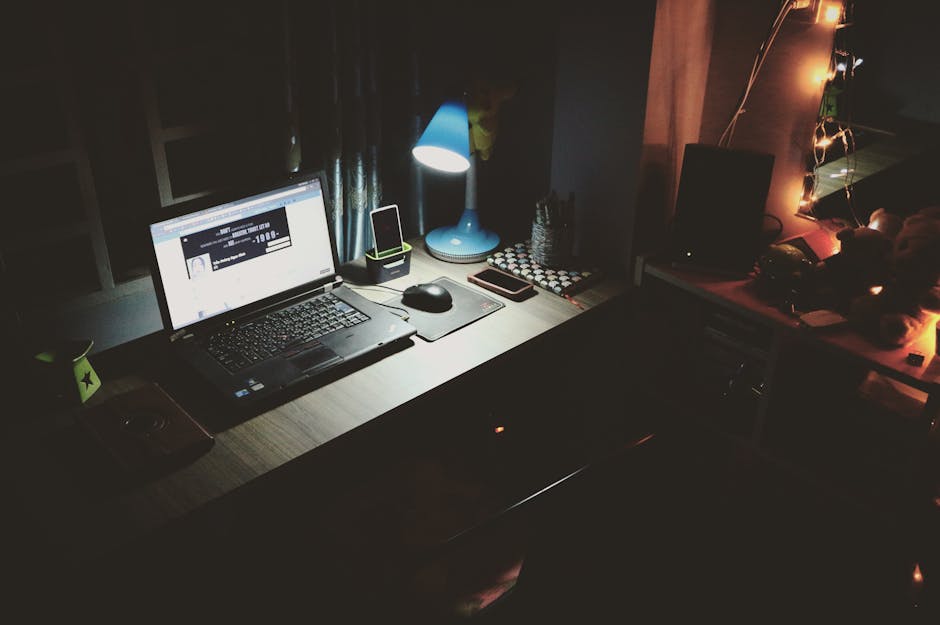
As the evening light spills across the desk, the familiar sight of a zipped bag filled with craft supplies sits untouched. The lamp casts a warm glow over the notebook and sketchbook, but the thought of unpacking everything feels daunting. Just last week, the intention was to dive into a quick journaling session or sketch out ideas for a DIY project, but the setup friction kept pushing those moments aside. With each missed evening, the distance from the art desk grows, making it harder to start again.
In this quiet block before work, the simple act of leaving one tool out can shift the tide. Instead of wrestling with the entire bag, pulling out a single pen or a sketchbook can serve as a gentle nudge to begin. This small adjustment eases the transition into creativity by reducing the perceived effort of starting. When supplies are ready to hand, the act of creating feels less like a chore and more like an invitation, inviting spontaneous bursts of inspiration rather than a daunting task.
The Setup That Gets Overlooked
The art desk sits in the corner of the room, illuminated by a soft lamp that casts a warm glow over scattered supplies. A half-opened sketchbook lies next to a coffee mug, its contents long gone. The quiet of the evening, just before dinner, should feel inviting, yet the sight of disorganized materials creates a barrier. Paint tubes, brushes, and colored pencils are all visible, but they remain zipped inside a bag, waiting for the moment when they can finally be put to use.
As the maker approaches the desk, a wave of hesitation washes over. The thought of unpacking everything feels overwhelming, and the idea of starting a craft project suddenly seems like a chore rather than a joyful experience. Instead of diving into the creative session, the focus shifts to the setup itself, which feels larger than the actual project at hand. This friction can easily derail the intention to create, leaving the maker stuck in indecision.
To ease this transition, a simple adjustment can make a world of difference. By leaving one tool out—like that favorite sketching pen—next to the notebook, the act of starting becomes more approachable. With the pen ready to hand, the maker can quickly jot down ideas or sketch out a few lines without the need to rummage through the bag. This small change reduces the perceived effort required to begin, transforming the art desk from a daunting setup into a welcoming space for creativity. In this way, the lamp-lit corner becomes a place not just for supplies, but for spontaneous inspiration, ready to spring into action at a moment's notice. When the Supplies Stay Zipped Up Evening light spills over the home desk, illuminating a jumble of creative materials. The sketchbook lies tucked away in a zipped bag, alongside a collection of pens and brushes. As the maker settles in, ready for a short journaling session, they realize they forgot to set out their favorite pen. This small oversight transforms the workspace into a barrier rather than a launchpad for creativity.
A notification buzzes on the phone, pulling their attention away just as they reach for the bag. The momentary distraction leads to a quick scroll through social media, and suddenly, the intention to create feels distant. The act of retrieving the sketchbook from its confines now feels like a chore, a hurdle that wasn’t supposed to exist. The maker hesitates, caught in a loop of indecision, wondering if they’ll even have time to start before dinner.
To avoid this friction in the future, a simple adjustment can be made: leave one tool out. Placing that favorite pen next to the notebook creates a ready-to-start setup, inviting the maker to pick it up and begin without the mental load of searching. This tiny act transforms the desk from a cluttered space into a welcoming nook for spontaneous creativity. With the pen at hand, the maker can easily jot down thoughts or sketch ideas, transitioning seamlessly into the creative process.
In this way, the lamp-lit corner becomes more than just a workspace; it evolves into a sanctuary for inspiration. The next time the maker sits down, they will remember to set out their tools, ensuring that the creative session can begin without unnecessary delays. This small change makes all the difference when the desire to create is overshadowed by the friction of an unprepared workspace.
How a Forgotten Pen Changes the Flow
If this pattern keeps repeating, Creative Hobbies For Adults extends the idea without leaving the niche.
As the evening light fades, the lamp casts a warm glow over the home desk, where a sketchbook lies open beside a coffee mug. The maker settles into the chair, ready to dive into a short creative session. However, the excitement quickly dissipates when they realize that their favorite pen is missing. Instead of picking up the notebook to start sketching, the maker finds themselves scrolling through their phone, the allure of social media pulling them away from the art desk. This moment of distraction marks the beginning of a missed opportunity.
The absence of that one pen creates a ripple effect. The initial burst of inspiration fades as the maker scrolls, leading to a sense of regret for not having started the craft project. As minutes pass, the desk transforms from a potential creative hub into a reminder of what could have been. The maker glances back at the untouched sketchbook, feeling a twinge of disappointment. The simple act of forgetting to leave that pen out not only disrupts the flow but also highlights how easily enthusiasm can slip away when the setup feels bigger than the actual practice. Next time, ensuring that the pen stays within reach could make all the difference in maintaining that spark of creativity. Leaving One Tool Out: A Simple Fix On the cluttered surface of the art desk, the maker's favorite pen sits prominently, a small yet powerful tool in the creative arsenal. Previously, this essential item often found itself tucked away in a zippered bag, buried beneath a jumble of sketchbooks and loose papers. When the time came to start a short creative session, the absence of that pen created a barrier, transforming the act of creating into a chore of searching. Now, with the pen resting in plain sight, the transition into creativity feels seamless.
This minor adjustment allows for an immediate dive into the project without the friction of additional setup. As the maker settles into the quiet block of time before work, they reach for the pen, feeling the familiar weight in their hand. The notebook lies open, waiting for ideas to flow. Leaving the pen out not only saves time but also reinforces a habit of readiness, encouraging spontaneous creativity. The act of simply placing the pen on the desk signals a commitment to the craft, making it easier to engage without hesitation.
However, the maker must remember to check the pen’s ink level before each session. A quick squeeze of the barrel reveals whether it’s ready to go or if it needs a refill. This small repair step ensures that when inspiration strikes, there’s no delay. By keeping the pen accessible and functional, the maker transforms the desk from a cluttered space into a launchpad for creativity, ready for whatever project comes next. The ease of access to a single tool can significantly shift the momentum of a creative session, showcasing how small adjustments can yield substantial benefits.
The Part Worth Repeating Tomorrow
This same friction shows up again in Starting New Hobbies Slowly, especially when the day tightens unexpectedly.
On the art desk, a simple arrangement can make all the difference. After a few evenings of missed creative sessions, the sight of a neatly placed sketchbook and a vibrant set of colored pencils can spark motivation. The act of leaving one pencil out, perhaps the favorite shade of blue, signals readiness and invites immediate engagement. This small detail transforms the desk from a dormant workspace into a welcoming invitation for creativity.
As the quiet block of time before work or after dinner approaches, the maker can take a moment to ensure that the pencil is not just visible but also functional. Checking the sharpness of the pencil becomes a quick ritual; a simple twist of the sharpener reveals whether it’s ready for action or if it needs a fresh point. This small act of preparation reinforces a habit of readiness, making it easier to dive into a craft project or journaling session without the usual setup friction.
By repeating this setup each time, the desk evolves into a reliable launchpad for creativity, where the presence of a single tool fosters a pattern of engagement. Each evening, the maker can find comfort in knowing that the art desk is always prepared, ready to accommodate spontaneous bursts of inspiration. However, the tradeoff lies in the need to maintain this small habit; if the pencil is neglected or left unsharpened, the ease of access diminishes, potentially stalling the flow of creativity.
Leaving a single tool out on the desk, like a favorite pen or a well-worn sketchbook, transforms the approach to starting creative sessions. This small act reduces the friction of setup, making it easier to engage with projects even after a few missed evenings. The art desk, illuminated by a lamp, becomes a welcoming space rather than a daunting task. When the maker sits down, they are greeted not by an empty surface but by a ready-to-start setup that invites creativity.
As the quiet block before work or after dinner approaches, taking a moment to check that the supplies are in place—perhaps a notebook open to a fresh page—can spark the motivation to begin. This simple adjustment helps to bridge the gap between intention and action, ensuring that the transition into a creative session feels seamless and inviting.


Comments
Post a Comment